



Live Your Best Lives
McLeod Plantation Historic Site Reviews
4.6
12 of 291 Best Attractions in Charleston


Reviews

GREAT tour of a cotton plantation!
This was a SUPERB tour of a cotton plantation in the Charleston area. Ista was our guide and he was OUTSTANDING! - He shared his encyclopedic knowledge of the facts surrounding enslaved people and did not seem to be at a loss for answers to the questions posed by our group. Ista discussed at length the importance of the cotton crop, different types of cotton, and we got to see cotton growing behind the main house. He painted a realistic picture of what life was like for the poor souls who suffered for over 150 years in our young country. He also discussed in detail the events following the Civil War, reparations, and present 20th century ramifications. I found his tour to be enlightening and informative. I have no criticisms nor ways to improve this tour. I highly recommend this plantation tour!

I love history, but this is a complete waste of time!
We were hoping to get a glimpse of Charleston plantation life in the 1800's. We were instead treated to a very radical lecture of the evils of slavery (duh!?!) while walking the grounds. I'm guessing that the phrase "white supremacy" was used 25 times, as well as the word terrorism (really?). It is a small, relatively unimpressive house with access limited to main floor. Pick any one of the other 4 or 5 Charleston area plantations and you will get a much more insightful and enjoyable glimpse into the past.

Nice plantation just outside of downtown Charleston
Quick stop on our drive from the airport to downtown Charleston, they offer an hour guided tour or you can do it on your own. We did it on our own and saw everything in under in hour

An honest and informative tour
Toby was our guide and she was outstanding! So informative and friendly. She even took some time to get to know the people on her tour. I learned about the uses of Spanish moss by the enslaved, and saw where the enslaved lived, perhaps 10-20 people to a small dwelling, compared to the "big house" where their enslavers lived. I also learned about the homegoing celebrations of life that the enslaved did for those who died, often from exhaustion and lack of nourishment. I got to pick a piece of cotton and see how difficult it was to do so quickly and without pricking one's finger.
What I appreciated about this former plantation is that they tell the unadultered story of life on this site. It was what I came to Charleston to learn more about. I am grateful that McLeod is there and highly recommend this if you are going to see any of the former plantations.

Tour guide was too much…
The plantation is fairly small compared to some of the others, however we came here wanting to learn about the Gullah culture. Our tour guide was over the top dramatic and it really took away from wanting to listen to the information about the Gullah.
Make sure to bring bug spray!

Great experience for a family
Loved the experience. Great and small place so my kid will not be bored. The whole family liked it. Great experience and makes you think.
The only thing I would change is to have the tour guides on the same page. I am sure each one has its own experiences and opinion, but after we finished our tour, we overheard the following tour and it was different…
Overall awesome experience

A true educator!
My wife and I are retired educators.
We took a tour of the McLeod Plantation Historic Site today that blew us away.
Our tour guide PAUL, was an educator's educator. Also a professional actor (as all educators should be), Paul made the plantation and its history come alive for us.
His timing and pacing were brilliant. He was able to involve each and every one of the tourists in the "story" and made us feel as if were actually living there during the 1860s and beyond.
Paul was extremely knowledgable and in love with the history of the place.
He was able to convey his love for the subject matter throughout the 45 minute tour.
A true educator!
Barry Levine
June 20, 2023

Great and Informative Visit
One of the Charleston area historic sites I’ve been wanting to visit for a long time. This is a great place to learn about the Reconstruction era and the perspective of the enslaved people who created the South’s economy.
The buildings were greatly preserved and you can go inside and view the McLeod mansion and the dwellings where the enslaved lived. It is preserved so you can see exactly how people lived. There is also a magnificent 300 year old live oak. The guided tour covered all this and a thorough history of the plantation. The guide very accurately referred to it as a “private slave labor camp” which I wish more historic sites had the courage to say. Many historic sites are more concerned about pleasing people’s whims and what they and the boards want to hear.
This is an educational and sobering experience to learn about the reality of the South’s history and how we all need to look inwardly and reflect as a collective. If you are looking for a fantasy “Gone with the Wind” experience, then you are better off looking for a fantasy theme park that is not based on any reality. Thank you for the wonderful tour.

Meh.
The grounds are okay, I felt this was overpriced. The narrative of the pov of the slave is told from a rather uninformed perspective. Overpriced. The house wasn't set with furniture of the time, and you can't go to the second floor.

Educational experience
The guided tour was very informative. I'm sure other plantations are more grand and scenic, but this one was an easy Uber ride from downtown Charleston and the history was just as rich.

The best plantation tour in SC
I’ve been to a few plantations in the Charleston area. This is BY FAR THE BEST. Twenty dollar admission for two adults also gets you access to a free tour. The best tour I’ve ever been on in the continental United States. Not a white washed tour, gets straight to the heart of what enslaved people endured at the hands of their enslavers. The true history of slavery in the United States, resistance, the formation of Gullah community, and the lasting impacts on our nation. Recognized that a country cannot move forward from its past without facing it. Confronts the hard points. Does not protect white fragility. Beautiful trees, beautiful artwork, beautiful tour. Mills was our tour guide and she was absolutely outstanding. Don’t let Charleston try and censor this tour it is SO GOOD!

Not the traditional plantation tour, but one that honors the enslaved who loved and died there
It’s so encouraging to hear such an honest interpretation of a site like this. The only way we can know and do the work of healing and repair is to tell the truth about how we got here and that that is being done here in Charleston is important and hopeful. Our guide Tamara was excellent.

Mostly not authentic
Definitely skip the tour.
Not really worth the time and money.
Any other plantation would be a better choice.
The tour guide was pitiful and the place has nothing much to it.

The ethical choice for a plantation tour
I felt strongly that if I was going to visit a plantation while in the Charleston area I wanted to visit one that centered on the experience of the enslaved and told the story from their point of view. Our tour by Kat did not disappoint and I applaud the Charleston parks department, who manages this site, for resisting pressure to gloss over the realities and horrors of slavery. I believe it is the only tour in the area that makes this a primary focus. I have been disappointed as I have toured this area in the lack of acknowledgement of the harm and immorality to instead focus on a fuzzy , glorified picture of the antebellum south. I am so glad that I made McLeod plantation my first stop and I am grateful for the integrity of the individuals who work there . Kat you rock .. keep up your truth telling.
From the woman who cried during most of your presentation.

Exceptional tour full of history!
The McLeod Plantation was everything we had hoped it was and so much more. Our tour guide John was exceptional! He was full of incredible stories and details about the history of the plantation. He told the history through the story of a little girl taken from her parents to be a playmate for the only child of the plantation owner. He went above and beyond to ensure all of our questions or inquiries were answered. If you are going to see a beautiful home and gardens, this is not the plantation for you. As much as it is beautiful, it is the history that plays a major roll in this tour. A definite visit for those interested in the true history of slavery and the life on a plantation.

A Plantation Worth Visiting
If you want a more historically accurate picture of a plantation’s history, come here. They make sure the horrors of slavery aren’t lost in the beautiful setting and architecture. Our tour guide, Kat, was very knowledgeable.

Amazing Tour and Guide, Isya
This tour has probably been the highlight of my trip, thanks to our amazing tour guide, Isya. He was very entertaining and knowledgeable and had an answer for every question asked. It was different from other plantation tours we have taken, because he focused on the slaves rather than the plantation owners.

if you want the truth visit this place
If you want the truth - visit this site. The plantation did a great job of teaching the facts. I liked that the focus was on the enslaved rather than the enslavers.

Interesting and informative
It was a nice visit. The lady in the Big House was very interesting and knowledgeable. Our tour guide was interesting. Enjoyed learning about the Gulla Geechee.

Great plantation with great storytellers
We had a great time at this plantation. Well laid out and tours are done by great people who care about the history and the stories behind the plantation.

McCleod Plantation
Our group of 6 enjoyed the tour. Our tour guide was engaging and quite knowledgeable about the history of the plantation and the times. As we were touring the home, we were fortunate to meet Toby and Mary (who was working on her Beloved: Legacy of Slavery collection). I cannot say enough about Toby who took the time to speak with us, in-depth, about the African-American experience as it relates to the plantation and listened to our concerns about the poor condition of the cemetery. Mary even went to great lengths to provide one group member with an email copy of a painting of one of Charleston's sons. It was a very moving experience and one we will surely remember.

Every US citizen should tour this site
We were visiting family nearby in Charleston and took half a day to visit the McLeod Plantation Historic Site.
In addition to spending part of our time at the site doing a self-guided tour, we spent a few hours on a guided tour. Our guide was wonderful; he was a history major in college and he really knew all about the site, and the history that surrounded so much that had gone on there. We are grateful for all the extra things he shared, like turning on to 'Stony the Road', a wonderful and mind-opening book by Henry Louis Gates Jr. written about the Reconstruction Period and its impact on our nation.
Worth your time. Worth a visit.

Great historical tour
Great tour. Noah was our informed and friendly guide. A frank description of plantation life for enslaved people before and since emancipation.

Save your money and Go to another plantation
Awful. Go to another plantation. First off —— SKIP THIS PLACE. If your like my family and want to see beautifully preserved plantations then go somewhere else. I should have known after 5 minutes into the guided tour with Paul that this was not a historic tour of a plantation but about how awful certain people are and politics. Listen I paid good money to see this home and to learn the history of what they produced and the struggles and effects of war on it. Not to be told a bunch of garbage to my children and told if I didn’t like it to leave the group. Whoever is over the Friends of the McLeods running this place you better do some house cleaning because your tour guides are just disgruntled politicians. I have visited other historic sites and have never seen a place so pitiful. Despite the guide (which we and other families walked away from after 20 minutes of this nonsense) the houses are empty and closed off. There is nothing to see here. Even walked across the street to see the cemetery and couldn’t find it. Save your money and visit another plantation because after he tells in less than 2 minutes what was produced here nothing else is about the plantation but just how awful certain people are. He even tells that this place wasn’t a plantation but a slave prison. I get it but if your going to be this vocal about the wrongs why don’t you change the name to McLeods slave prison and stop making your own money off this. Wrong is wrong for all

A former plantation tour that's worth taking
I grew up in a historic Civil War town in VA, and I've visited many historic sites throughout my life, including several former plantations. This was easily the best tour I've had at any of them, because there was no lionization of the plantation owners and no embarrassed footnote about the people they enslaved. Many similar historic sites have docent-led tours of the main house, and leave you to seek out the slave areas on your own. The opposite was true here, because the lives of the hundreds of people who lived on this property were centered, not the house, and not its owners. The result was a powerful experience that challenged the moonlight and magnolias stereotype by using real artifacts to show how that false image was carefully promoted at this site. The same was true of how historical evidence was used to highlight the lives of people who lived here before, during, and after the Civil War and Reconstruction. These aren't fun stories, and this isn't a fun tour. The gift shop isn't even particularly fun. But the stories told here are more important than any of that, and I am so glad we got to have this amazing visit. Many thanks to Jeff, our tour guide, and everyone who helps teach the history of McLeod Plantation.

Very Nice
Our visit was 29 August 2023 during a family vacation for the week. We were a family of 5 women from 80s to 50s. I called ahead of time about walking trails. They did have a golf cart that put one of our 80s in. The gentleman was very informative. The grounds were kept up, although they have the slave quarters, nothing in them and we didn’t see much in the plantation house. We did see the fox on the property. Three of us youngers walked down to water area. We had a nice chat with the folks at the store front area about food and cooking. We brought some items. I have been to the other plantations in Charleston over the years and although nice, not that impressive with me, but the history is always educational. Was happy that I had went.

Not your average plantation tour
Owned by the county parks system, the tours focus on the lives of the enslaved people living on this property during the antebellum and post-war period. By centering the tour on the institution of slavery, our knowledgeable tour guide help us understand how systemic and structural forces promulgated terroristic subjugation of the enslaved on this plantation ("slave workcamp"). Although the horrors of slavery are not a new topic, the use of contemporary language to describe the experience (white supremacy, mass incarceration) helped draw an indelible line between life on an antebellum planation and ongoing systemic racism facing our country today.

Tour of McLeod Plantation
What a wonderful experience to envision the enslaved people and their lives on the plantation. Paul, our guide, gave us an emotional glimpse of these hard working people that kept the plantation thriving. Bravo Paul! We loved our tour and would highly recommend it to others, who want to view a plantation and understand more about the enslaved people rather than only its owners.

Go visit.
The most important part of this site is the focus on enslaved people on the plantation, and slavery in general. The tour guide, Olivia, was very knowledgeable and able to answer all questions. It sounds like several of the other plantations in the area focus on the owners and perhaps speak about the enslaved peoples as an afterthought. McLeod’s commitment to reimagining how to interpret a plantation is really important. Go visit.

Our visit
After doing some homework before our trip we went to visit McLeod plantation . This historical site provides tours with focus on the enslaved and stories are told from their perspective . Our guide was amazing and very informative . Tought provoking and highly recommended visit.

Highlight of Charleston Visit
We just came back from a tour with Toby at McLeod Plantation and we didn't stop talking in the car about for the entire drive back. Truly a highlight of our visit to Charleston, and thought provoking in any number of ways. It's a tour about the McLeod Plantation from the point of view of the majority of people who lived there between its construction by them and their eviction in 1990. Even in the 20th century, the "big house" was occupied by one guy and his fifty cats while the tiny little slave quarters--still in existence--were occupied many people (though fewer cats). I won't tell you any more, but there is a jolting fact at the end of the tour, too. REALLY worthwhile tour. Thank you to all the people who worked so hard to keep this for us and to honor the memory of the residents of McLeod Plantation.

Don’t bother
Terrible tour by Paul- way too fixated on preaching the evils of slavery (we come in knowing that, thanks). We learned almost nothing about this particular plantation. Would not recommend.

McLeon Plantation Historic Site
As an African American and having visited at least six other plantations both in New Orleans and Charleston, it was informative to learn more about plantation life before, during, and after the Civil War from slaves' perspectives. The tour group consisted of 45 people from many parts of the United States, as well as abroad. There were only a few tourists from states where slavery once existed. Paul, our tour guide, did an OUTSTANDING JOB explaining the misconceptions that have shaped narratives regarding slavery and how the idea of slavery was not evil. Everyone should put this specific tour on their list of to-dos while in Charleston.

Honest Guide
We found the tour and information by Guide Paul to be incredibly informative and honest about the history of slavery. The time period is described as what it was without any sugar coating. The grounds are well kept and constantly being improved.

Great tour
The McLeod Plantation was recommended to us by a staff member at the hotel we were staying in and I'm so happy he did. This tour provided a more in-depth backstory from the enslaved perspective vs. some of the plantation tours we visited, which I greatly appreciated. The young woman that presented the tour was amazing and very knowledgeable.

Stop promoting hate and derision
The tour focuses on the plight of the slaves and abuse of the slaves and how evil the owners were. Got it. But be more fair and balanced. Tell both sides of the story. There always is at least three “versions” of the “truth”. Lincoln was championed as a hero here but in fact, he didn’t free the slaves in the north…. Only the south.
Plus the home isn’t even original and vacant. We left there angry and should have left after the first five minutes of the docents hate speech but we were too polite and respectful. Hmmm?

Great Unfiltered Description of what transpires on a Plantation
Alan the tour guide was extremely informative and was very impressive in how he conveyed not only the history of the plantation itself but also the lands that surround it in general.
This information is not sugar coated and I appreciated that it focused on the people of the plantation and not on the lush gardens or landscapes of the larger plantations in the area.
Would be nice to do a little more walking to get a better feel for the stories and where they took place but overall worth the trip.

Way more interesting than I thought
This turned out to be super interesting. I loved the focus on the people (black & white) who lived there.

Amazing Experience at McLeod Plantation
Tour director Tobi was excellent. She explained everything so clearly and was very passionate. She described everything on the tour from the perspective of the slaves and their ancestors that were enslaved on the property. This tour is so informative it should be a documentary. If you go and you should, please ask for Tobi as your guide. You won’t be disappointed.

Focuses on true history. Do it!
Very informative. I was really impressed with our guide, Alan. Even the volunteer outside the main house, was highly informative and passionate. This tour is not like the Plantation tours that focus on the "beauty" of the plantations and glorifies it, like "Gone with the Wind". Rather, it focuses on the true history of the plantations, slavery, the hardships endured, failed Reconstruction, the Gullah people, etc. I HIGHLY recommend everyone visiting Charleston to do this tour.

A must see tour on your trip to Charleston
This was an excellent tour and Paul was an excellent guide. I toured with a group of friends and we found the interpretation of the plantation experience reflected both the realities of life from the perspective of the enslaved as well as the enslavers. Paul was very knowledgable and comfortable with the truth. I would defintely visit again and highly recommend this tour for others.

Historically Accurate
Guided tour focuses on the perspective of the enslaved people who lived on the plantation which is not the norm for plantation tours in the south. Tour members hear about the horrors of everyday life for the enslaved children, women, and men unlucky enough to be owned by the McLeod family. The tour is able to share hundreds of years of property history into an informative and eye-opening hour-long tour. Well worth your time to see how the other half lived.

No frills just the facts
Frank honest presentation of life on this plantation
Guide was passionate and knowledgeable in his angle of view. There are several guides all with different views or stories.

LOVED IT!!
I absolutely loved it!!! Paul was so knowledgeable and rook his time to explain and answer any questions. Great experience!!

Best Plantation Tour in South!
Toby is a phenomenal guide! She gently and accurately teaches the history of the plantation. Toby spent 15 minutes after the tour helping my teenage daughter process all she had learned. Toby encouraged her to continue to engage with this challenging past, vividly connected the importance of history to the present, and motivated her to contribute to changing the world.

Incredible true history tour of a plantation site
Ista gave us an incredible guided tour of Mcleod plantation. we chose this plantation especially because it talks of the history of the location from the enslaved perspective. Ista brought to life some of the people who labored the land. Ista was an incredible historian who talked not just about the periods around the civil war, but also how the ramification of slavery affected the inhabitants on Mcleod up to the 1990s. This was one of the highlights of our trip to Charleston.

A must visit! No white washed slave history here.
This was one of the first, and honestly the best, of our places we visited in Charleston. We had read the reviews and we knew of several plantations in the area (and we did go to Boone Hall to compare) and we certainly were glad we chose this tour. Paul, our guide, was fantastic. His storytelling was wonderful and he did not pull any punches in discussing the slave experience on the plantation.
Have seen other reviews on here who give it less stars. Clearly not the narrative they want to hear but this is important and our teens were very engaged with the tour. If you read the reviews ahead of time, you will know what you are going to get. If that's not what you want to hear, there are plenty of other plantation tours in the area to visit.
Thank you, Paul, for your tour. We also appreciated Mike's input, who was in the house giving further information to those visiting. We also applaud the Charleston Park District for this gem of a place to visit.

Excellent guided tour
Beautiful setting and very good description and information especially about the slaves on the plantations and their plight during and after the Civil War. Excellent guided tour offered with the price of admission.
Surprising and troubling to hear the tour guide call the plantations owners "terrorists".

A worthwhile visit for history lovers
I had decided ahead of time to visit a plantation site in Charleston which tells the more authentic story than just visiting a fancy house and gardens. The tour is well worth your time if you want to know much more about the history behind slavery and see for yourself where the enslaved people lived and the handprints on the bricks which were made there. Not that there's anything wrong with visiting a well-preserved plantation home and gardens, but this is not that type of tour and I think is worth the visit.

McLeod Plantation Visit
The gift shop and tour guide were great. But I was left somehow empty with the connection to the slaves that inhabited the property. The guide asked our names and where we hailed from. A few New Yorker's other than myself and hubby were there. A few people say it was highly recommended. Guide gave a good accounting while walking down a path on "the property timeline," but we had to tour the property on our own. The Big House was bare with exception of a piano and a few folding chairs, reminds me of a poem...Life for me ain't been no crystal stair. I couldn't feel a connection to anything that may have gone on on that land for my personal spiritual expectations. No architectural excitement either. Virginia plantations give you a full idea of how daily life went about. Wish they would furnish it in period time at least the slave quarters. The guide in the house explained that they want you to focus on the slaves but the cabins don't even offer an idea for they are barren rooms. An undesignated burial ground for slaves and Indians was pointed out just across the way. No markings at all even after it was found to be sacred land. I left empty feeling comfort only in the trees that had stories deeper than the guide can tell and even they didn't hum back when my soul cried out to them for answers.

Superb informative tour and visit
We came to understand better the horrors of slavery. The tour along with the description of the impact of slavery through real people's experience had a masssive impact. It was one of the highlights of our tour of the south. This is a very important, informative historical site.
I do not understand some of the comments on Trip Advisor. How can anyone try to justify or excuse, in any way, the actions of slave owners.

A must see and amazing experience in Charleston
This is an absolute must see if you are visiting Charleston. This is an excellently preserved historic site that highlights the stories of the enslaved people. It also tells about the Gullah/Geechee culture that has helped make the culture of Charleston and the sea islands what they are today. Our guide Alan was amazing. He told the stories so well and provided an excellent historical education about the plantation and the people who lived there and built it. It is a must see experience if you are in Charleston or James Island.

Thought Provoking
Noah was an incredible source of both history and perspective. He focused on the multi-generational families working on the plantation and shared poignant stories of survival and triumph despite the circumstances. He even offered a suggested reading list for further knowledge. Fascinating and haunting, don't miss this opportunity.

Extremely Educational and Enjoyable
Our tour guide Tamara’s ability to convey the experiences and struggles of the individuals who shaped McLeod Plantation was nothing short of remarkable. Her engaging narrative was both informative and empathetic, creating an understanding of the historical significance of the site. It was clear that she had invested considerable effort into researching and presenting the plantation's history with accuracy and sensitivity.
Her approachability and willingness to answer questions made the tour not only educational but also incredibly enjoyable. Tamara’s left us with a deeper appreciation of the complex history of McLeod Plantation. If you’re looking for an unforgettable tour with a guide who truly brings history to life, Tamara is the one to see. Highly recommended! She was incredibly veteran friendly and made this trip very enjoyable.

Great experience, very authentic tour
If you want to learn about the culture and history of the southern states, the guided tour for $20/person is highly recommended!
On this one-hour tour you will learn all the details about slavery and history.
This plantation is not that crowded and you have the opportunity to ask questions.
Absolutely recommended, a very nice and educational experience.

Toutist Trap - Empty House of 1920 !
$20 is just overpriced, $5 as a donation would be okay. It's a very small plantation. Unfortunately, the house is not original but newly built in 1920. Most disappointingly, the house is completely empty😧
There is a cemetery that you should look at alone, you have to look for it, it is wild in a bush, you have to fight through the scrub and the garbage that lies there, no wonder that the lady who made the tour does not go herself. What a shame!

Challenge and change your views of the past
Extremely powerful tour focusing on the stories of enslaved people and their journey to freedom. Highly recommend Paul’s tour - he does not shy away from difficult topics and invites people to challenge their preconceptions of “plantations” aka forced labor camps. The exhibits showcase forgotten and suppressed voices, and skillfully show how our current society is still linked with the racism and brutality of the past. Thank you Paul and team for an incredible tour and for your unwavering dedication to sharing these important histories.

Important Visit While In Charleston
The one hour tour is a must visit. You will learn important history from the perspective of enslaved people on a prominent SC plantation. Toby is a powerful guide. You can see the rest of the site fairly quickly.
A short drive or Uber/Lyft from downtown. Plan a visit. It is a moving experience.

Wonderful tour
The tour is included with admission is not to be missed. The tour guide (not sure of the name, maybe Kim?) was really good and summarized the history of the place and people really well.

So much less than it could and should be…
I deeply appreciate the honest presentation of the plantation as a forced slave-labor camp and the repeated invitation to “imagine” the lives, experiences, and perspectives of those who were enslaved juxtaposed against those who owned them. Such honesty in the face of currant political pressure to erase those truths is admirable.
But, the description of the site is deeply misleading. The literature and website promises the following:
“It is a place like no other, not frozen in time but vibrant, dynamic, and constantly evolving, where the winds of change whisper through the oak trees and voices from the past speak to all who pause to listen. McLeod Plantation was built on the riches of sea island cotton - and on the backs of enslaved people whose work and culture are embedded in the Lowcountry’s very foundation. It is a living tribute to the men and women and their descendants that persevered in their efforts to achieve freedom, equality, and justice.
All of their stories - black and white, enslaved and free - are given their due. After years of careful research and restoration, McLeod Plantation Historic Site invites you to explore the lives of people who, though nearly erased from history, shaped Charleston’s complex past and the nation’s future.
Learn about daily life and the relationships among the men, women, and children who lived and worked here before and after slavery.
Study the cultivation and importance of sea island cotton.
Gain insight into the plantation’s strategic importance during the Civil War and the role of the free black Massachusetts 55th Volunteer Infantry in emancipating enslaved people.
Examine the influence of the Freedmen’s Bureau at McLeod Plantation and throughout the South.
Trace the emergence of Gullah Culture in the Lowcountry.
Explore worship and spirituality in the lives of McLeod Plantation’s residents.
Draw parallels between the changing relationships among McLeod Plantation’s residents and in American society during the 20th century.
See how people dramatically changed the natural history of the plantation’s landscape through time.”
Absolutely none of that is presented at the site. There is an interpretive 45-min tour lecture where the guide talks mostly about the McLeod family and the way in which what is preserved at the site is an idealized picture of the “lost cause” notion of a plantation, all of which is certainly true and factual. But in so doing, the material culture of the site becomes a kind of stage prop for a counter-narrative. It is an important and necessary counter-narrative, but, unfortunately, that’s all that is offered.
There was no careful curation of the stories or practices or material culture of the men and women and children that fought for and preserved their own culture and worked to sustain themselves and “transform” the natural and social history of the area. The stories of those people remain erased, neither presented in the tour narrative nor the informational displays at the site.
Perhaps there is no budget for collecting and curating those. Then they shouldn’t be promised. And trying to accomplish all of those goals through nothing more than an interpretive talk is doomed to failure.
I would recommend visiting the International African American Museum instead. You will get a similar but much more richly detailed narrative. But you will also get and learn about the practices and stories and culture and resistances and contributions of Black folks in this area and in general.

A perspective that needs to be shared
Outstanding! The McCleod plantation is one of two historic plantation sites in the nation shown from the perspective of the people who were enslaved. Truly, this tour gives testament to the importance of the bonds of family and the triumph of the human spirit! Our tour guide, Noah, was fantastic! He was obviously well researched in his presentation and was able to trace the descendants of several families of the enslaved to the present. Noah was quite knowledgeable and engaged with his group for questions and recommendations for further exploration. Very worthwhile tour!

A realistic view of American slavery
We chose this as our "plantation" tour as we saw that it would tell a more balanced story of slavery than some of the others. It did not disappoint. Our guide was committed to telling the story of a slave labor camp in its unvarnished reality. The emptiness of the buildings gives an eerie backdrop to this history.

Very Informative and Great Value
This were some of the most impactful couple hours of my recent trip out to South Carolina. I had been to a couple of plantation tours years prior and the whole experience felt downright icky. They were run more like Cinderella's Castle tours than anything thing else. And, wouldn't you know, they conveniently never had time to elaborate on exactly how the owners came about the money for such lavish lifestyles.
THAT IS NOT THE CASE FOR The McLeod Plantation. Every tour guide there is an actual, well-read historian that deeply cares about telling the full story. They don't leave out the stories from the very folks that toiled, against their will, for these estates. Super appreciative of what they're doing over there at the McLeod Plantation. If you're on the fence about going here, give it a chance. You'll be glad you did.

A great historical landmark and property with an opportunity to better train their staff.
Amazing property and an important history to preserve. Many different historic sites including the main building, former slave quarters, and property. The only downside was some of the staff could use some customer service training. The entry way is quite confusing and the counter clerk unnecessarily dressed us down for walking the wrong way. Rude and unprofessional. We were masked, over 6 feet away, and trying to ask a question with no one else in the entry building. She may have had a bad day or be overworked due to lack of staff, but inexcusable in either situation. Still don’t miss this important landmark.

History comes alive
If you are interested in history and life on an antibellum plantation and must choose just one place to visit, this is the one. As a part-time resident in the area, I've been to several plantations and historic homes. Many feature beautiful gardens and furnishings. McLeod is unique. Here you will hear the stories of the owners of the big house, but more importantly, the stories of the individual men, women, and children who were enslaved there.

Only plantation tour focused more on slave life in Charleston area
Paul gave a great tour and discussed the history of the plantation ownership but concentrated most on the lives of the slaves who lived here. He used the term white supremacy a lot, I guess for shock value, but we are very aware of the brutality of slavery and the story doesn't need to be spiced up for the tourists. Just give the facts- the brutality speaks for itself. A handful of slave cabins were preserved along with the owners large home. The McLeod site is a must see when you visit Charleston as everywhere else tells the history from the owner's perspective. The amount of production the slaves here produced in terms of tons of sweet potatoes, corn, sea cotton and other products was truly eye opening in terms of how much work was done at this place. The amount of production spoke volumes.

Fron One Historian to another I hope
I took the 930 am tour of the McCleod Plantation today July 23rd 2021. The grounds and surrounding gargens were well maintained and beautiful, however the tour guide's presentation was skewed to present the facts in a manner that resembled the 1619 teaching plan for our schools. Every opportunity to use the phrase white supremist was employed. All blame for slavery was explained in such a manner to point the fingure at the whites of the USA.
When explaining post civil war laws imposed to suppress black progress never was the party who sponsored those laws revealed. A significant number of these laws were imposed by the then Democratic Party. Could this also have been done to point the finger of blame at one portion of white society?
It was never stated that every civilization, nation and or country world wide going back 5000 years had some form of slavery present in its culture including those in Africa. Never was it stated that the slavery plantations system was prevelant throughout the Carribean Islands, North America, South America and Central America from the 1600s on, and brought to our shores from England, France, Spain, Belgium ,etc.
The facts of the presentation were accurate however the origin of the laws and or actions were skewed to again accent the evil white surpremicist movement.
When explaining the plight of the negro population in the post civil war era, the fact that the US Army was segregated until post World War 2 was left out completely, again the omission might be made to point the finger at one part of the white population. Yes our history on race relations in this country is poor, but it is improving significantly. It was and is the responsibility of both major political parties for its current status.
I have a history degree from a Northen University and am not a racist in any way. I respect every single person whom I meet, until they prove to me that they do not deserve that respect by their actions or failures to act when action is warranted.
I strongly suggest thast the presentation made on these tours be reviewed and changes to present a more accurate veiw of history without the obvious bias dispayed by your tour guide. I would rate the tour guides presentation as factually accurate from a focused point of view and presented in such a manner as to protray the white American as all evil when that is not the case.
Bob Hayes

Not to be missed for historic plantation tour
We chose to visit McLeod over other plantation houses in the area based on the tours on offer here, and I am glad we picked this one, which went above and beyond in honoring the lives of the enslaved and their descendants. Our tour guide, Tobi, was extremely knowledgable and helped us understand the history of the site, and pay respects. It was emotional in parts because the staff on the tour and in the house really take time to help you explore the realities of the past. The house isn't set up with antique furniture etc. but there is a lot of information at the house about how it was used, and we really learned a lot. My 13 year old commented that she was glad to learn the names of the slaves because it felt like the humanity they were denied was being reclaimed and I think this is what makes this site so important.

Historical visit to a plantation
We took one of the guided walks. It was wonderful! We learned so much history about slavery at this house and in the area. Our guide focused on the lives of 3 slave individuals who lived on this plantation. We toured the house, the outer buildings (including the slave quarters) and the cemetery area. It was a balanced accounting of historical events. This plantation was definitely worth spending a couple hours.

Go somewhere else for an unbiased view of Southern Plantations.
Our guide Paul was hell bent on convincing everyone his point of view was the only correct way to look at ‘plantations’ of the south. He claimed to be better than any other guide there or any other plantation and would set the ‘bar so high’ no one else can compare. He set the bar so low I could have easily walked over it blindfolded and drunk.
Anyone asking questions was rudely dismissed as he returned to his diatribe regarding plantations as slave labor camps and about the evil of white privilege (Paul is white),
Granted that slavery was terrible and is a stain upon the United States that took too long to absolve. However, he made no mention as to the who, what’s and why’s of its existence and minimal commentary on the people living there before, during and after the Civil War. His whole attitude seemed an attempt to be confrontational and looking for an argument. He even dismissed a question about how old the Oak trees actually were by stating matter of fact that Oak trees are hollow so you can’t count tree rings - insane.
A number of tour members simply left and went off one their own like we did.
For a non-biased informative tour of plantation life visit Boone Hill nearby.

Historic tour with John
We asked our Charleston tour guide for a recommendation of a nearby plantation that was less touristy and more historic... he recommended the McLeod Plantation. John was our tour guide who was very knowledgeable and provided a nice historic perspective without political overtones, which is what we were looking for. The homes that the slaves lived in are still standing to give you a better understanding of the dynamic of the property. I would say the tour was not focused on the main house or family but more on the lives of the slaves who lived and worked here. The main house was open and available for a self walking tour with written information available inside. The property was lovely, walkable and with much history.

A Place You Must Visit
Do whatever you need to do to get to this historic site and go on a tour!! I chose to go on a tour here because I read the tours share the perspectives of those who were enslaved there, and my expectations were exceeded. My tour guide was knowledgeable, kind, and sensitive as were other guides I encountered while on the property. I have told everyone I know about this place, and I hope to return again in the future.

Recommended if the guide was mine
The plantation and house we got to visit was small, but the guide was very sincere and her story was touching. 2 stars were for her. We got to know about slavery from the perspective of those being slaved before.

very interesting & much recommended
We did a tour on the site with Paul as our tour guide. Very informative and much recommended! We did not know much of the history before & he helped us filling in the gaps. The old trees, the house & buildings were impressive.

Unvarnished Truth About Our History
There are other much fancier plantations near Charleston, but this one gives you the true story and history of the both the owning family and those they enslaved. The guide was incredible both in knowledge and presentation. A great window on a disgraceful part of our history, but a lesson needed by all. By all means go.

Well worth the visit
Ignore the one star reviews and ignore the plantations that are venues for weddings. If you want history told as it is without sugarcoating come here. You should hear it from the viewpoint of the enslaved. Our guide Harriet did a wonderful job. I can’t imagine doing her job every day with the story she has to tell.

Incredible History!
This plantation tells the story of the slaves and it is an incredible amount of information that I could hardly process it all! I definitely could visit again and hear the tour from another guide about the place again. It’s nicely organized and I love that they are preserving history. However, the only thing that I wished they didn’t dismiss (and I understand why they did it) was the plantation owner side. I know we probably have lots of that documented, but it still needs to be known. This world isn’t just one sided. The house is completely empty except for some modern artwork of slave children. When I inquired about whether there was furniture I was told it was just ratty old stuff. I love visiting old houses. I try to visit one everywhere I go. Why? Because I own an old house and I like to see how things functioned back then, which includes the furniture! Honestly, I would’ve liked to see some of the furniture in the slave cabins too! The property itself was beautiful and sad. It was however, serene. I felt like the souls there are finally at peace with their stories being told. Alan, our guide did a wonderful job covering the timeline! It was amazing to see the old oak tree! They even had samples of what sea cotton looked and felt like! That was what they grew there primarily and I can see why once I felt it! It felt like silk! Anyhow, go see this place!

Non-white washed experience
My tour with Mills went above and beyond! Informative and factual, Mills took us on a non-white washed history of slavery at the plantation (thanks to her studies in history). In our current environment, with attempts to change or hide the history of what happened to African American humans beings in America, Mills provided a glimpse into reality of the time. As a bi-racial person of color, I found it of the upmost importance for our guide to fight truth to lies. Most importantly, Mills charged her tourists to follow up the tour with continued conversation and resources. The south was only the south thanks to it's African Americans and this tour is a reminder of that. Those who do not acknowledge history are positioned to repeat, so give this tour a visit to build your knowledge and compassion towards people of color.

Chance for some Gullah Geechee information
Lovely short tour of the former plantation, quite enlightening and educational. After the tour you can wander around the grounds, in the house which has no furniture andn only four rooms on the first floor, see the slave quarters which were incredibly still inhabited until 1990, and get some Gullah Geechee history, in our case, given by a charming tribe member tour guide. Reasonable entry fee.

Great Visit
We thoroughly enjoyed our visit today. Ista was an excellent tour guide and very engaging. He was insightful and knowledgeable in his presentation. He focused on the truth of the plantation. Even when he was challenged by another guest, he handled it with professionalism and truth. If you want to experience a plantation visit that is not fictitious, then this is the tour you want.

Visit if you want to be insulted, Whitey!
I have toured over 100 historic houses, been an historic house docent, and taught quality people to be docents. Our training program has been picked up by other historic homes wanting our level of success. I have been on tours where we have applauded the guide for the fantastic tour.
My tour at McLoud Plantation was the worse by far. By Far. 100% on how awful white people are and the only good people were enslaved. Yet, the guide Noah never did explain why the newly-freed people returned to live at the plantation after the Civil War, if indeed, they had been so mistreated.
Yes, the issue of slavery needs to be addressed. But should it be the ONLY topic on an hour tour???? I just visited James Monroe’s Highland and the slavery topic is woven into the story. Other plantations have special exhibits. The key here is BALANCE. Something that we stressed.
I knew I was going to hate this tour when Noah at the start told us that if we don’t like what he has to say, then we can leave the tour. Huh? Do I get my money back, if I do?
For historic houses to remain viable, they need to cultivate Repeat Returns. On my tour, only 1 person had been to the plantation before and I heard her tell her family that this tour was not like the one she had been on before. And then she added, “Sorry.”
I came to this plantation, over others in the Charleston area, to learn about the Gullah people, as I couldn’t even say it right. The McLoud touts itself as “An award-winning Gullah/Geechee heritage site.” On its website, it clearly states: “Today McLeod Plantation Historic Site is an important 37-acre Gullah/Geechee heritage site that has been carefully preserved in recognition of its cultural and historical significance.” and further: “Trace the emergence of Gullah Culture in the Lowcountry.”
Yet, our newly-woke guide Noah, never once, not once!, discussed Gullah heritage. Instead, he said not one white person during the 1850s was nice and hand-selected stories to back this flat statement.
Go, if you want your intelligence insulted and have woke-derived white guilt shaved down your throat for an hour.

Plantation visit
Interesting tour from John. I appreciate him sharing information about his family history as well as his knowledge about the plantation.

Must Visit
McLeod’s plantation tour was excellent. This tour does a great job explaining what happened at this plantation without hiding that it existed on slave labor. Paul was an excellent tour guide and very informative. It’s a must visit!

Excellent Preserved Plantation
An excellent preserved Plantation showing a dark dive in to American History. Tour guide was excellent and knew one of the enslaved children. Sea Island Cotton was grown here, thanks to the knowledge of Africans’ and basically put America on the map for exports and wealth.

A 2022 tour that comes closer to the truth about enslaved forced labor
We chose this tour because we did not want to hear about how much enslaved people adored the people who forced them to work for no pay. The tour guide did not mince her words and told stories that came closer to the truth. She got a bit carried away with "ghost like" tales toward the end, but it was far better than Scarlett O'Hara illusions.

Definitely worth seeing!
I'm so glad we chose to visit here. Our guide John was amazing and welcomed questions and comments. He was very knowledgeable about the plantation and the people who lived on it for so many years. I really learned a lot. The first floor of the main house is self guided and is filled with information and some artwork about the enslaved. I would very highly recommend visiting here . It's not like the other plantation tours.

Worst Plantation Tour I Have Ever Witnessed - Full of Falsehoods!
I have had the pleasure of visiting and touring most of the house museums in the Southeast, but this tour was by far the worst. While I appreciate the tour guide providing perspective on both the owners of the plantation and those who worked there, the McLeod Plantation tour guide was radical, hostile and provided many "facts" which were either misleading or entirely false. Unlike most tourist, when the tour guide asked for questions, I spoke up and asked pointed questions about some of the false and misleading tales he told about slavery generally or even those specific to that plantation. It turned out that when presented with documented facts contradicting the tour guide's statements, he simply got mad and moved on to another part of the tour. This tour guides only purpose is to provide false information to scads of tourist from around the country who know no better and accept his "tales" as truth. His tours are meant to divide our citizens and to foment ill will among the races. Tours like this are detrimental to the advancement of knowledge and historical fact.
Tourists who do have significant knowledge about the facts from the antebellum period in America should challenge these tour guides who spew hatred and misinformation. That does no one any good at all. By politely challenging radical, hate-spewing guides like the ones at this place, you are at least giving other tourists a fighting chance at knowing the truth about the history of these incredible places.
I would never recommend this plantation tour to anyone unless and until the county who runs the museum radically alters the way it is currently being presented.

The true story of a plantation
A beautiful property and some great eye opening information on what life was truly like during the plantation era. Was shocked to hear that the slave cabins were occupied by migrants working the plantation in the summers ip until the early 1990’s.

Nice place, but not a great tour.
It's a beautiful home and plantation with a lot of history. I did not care for the way that the tour guide interpreted the history of the site. She was very negative. The tour would have been much more enjoyable, if she had used a more objective approach. I feel that the tour was somewhat lacking from what you get at other plantation homes in the area. We did even get to go inside the mansion. She really just focused on the grounds and the outbuildings, which was a bit disappointing. I would not go back, unless I knew that the tours had improved.

Waste of time.
The guided tour was too political. He should have stuck to facts and not his
Opinion. He did not share information on the buildings. I would not recommend this to anyone.

The People Of The Plantation Came to Life
This tour did not attempt to whitewash the horrors of slavery. Yet, it introduced you to not only the McLeod family, but the African American families, too. The Gathers, Dawson & the PEOPLE who were the backbone keeping the plantation going. The history is painful but I learned a lot.

Thus is the plantation to visit; Take the Tour!
My friend and I chose to visit this plantation almost as "luck" since it wasn't on our vacation itinerary, so to speak. It ended up being the highlight of our trip. We were very lucky, also, to win the lottery to have Toby Smith as our tour guide.
In spite of myself and my white tears, I learned so much. Obviously, not 'fun" things, but things this 63 year old white lady needed to hear and learn. There is no shaming or accusations directed at whites on this tour; there is hope for healing and understanding. If you visited here and didn't feel respect for others, past and present, you were not paying attention. If you visited here and felt there was only "one side" presented, you missed the whole point. No, no one here massages your precious little white ego, but no one demonizes you either.

Take the free tour!
Located just a bit outside of downtown Charleston this is a historic site you should visit. For sure take one of the free tours. It was so informative and really brought the site to life. I learned/re-learned so much about what life was like here for the enslaved Gullah/Geechee people and in general during the times when this was an active plantation and beyond.

Must do if you want real history.
The guided tour was incredible and not to be missed. This place is the best we’ve ever seen at telling a full story about enslavement. Changed our views- come see for yourself. Also, amazing gift shop. Note to wheelchair users- the lift doesn’t work in the rain and we got stuck in the big house.

Well.......interesting
The tour from the slaves' perspective was very interesting, however our guide appeared angry and seem to want to bait the group into being upset. It's a small but beautiful property. They really need to plant a crop in the field that represents the period of operation.

History Review
Paul’s presentation was very informative, acknowledging the history of white supremacy and enslavement and what freedom really looked like post war.

It is a gamble of an experience
A hit-or-miss opportunity on the subject of slavery. Our guide Paul was more fixated on the wealth or lacked there of the previous owners and on the issue of white supremacy. I wanted to learn about the day-to-day life of the slaves of the plantation as well as the owners. Paul drifted so far off course that the importance of slavery and the horrid treatment of the people there was glossed over. The kicker for me was the plantation was stolen from a group of indigenous Indians, and when asked, it was less critical. Being Native American, I felt no more equal than that of the enslaved people to their previous white masters. The people in the gift shop are so lovely and helpful. In short, slavery was a horrible time for America and is still a worldwide issue. If you take the tour, perhaps skip Paul and get a more open minded guide. If Racial equity really matters, perhaps a tiny little mention and space for the indigenous people would be nice.

Excellent tour
Excellent tour of a restored plantation. Be aware they don't white wash history here. Very informative. Lovely surrounding and not far fro Charleston.

Put McLeod at the top of your plantation sites to visit.
We were delighted to find a plantation historic site that is committed to a responsible and fair depiction of life for all people living on a 19th c plantation.
Our guide, Paul, painted a vivid picture of the back-breaking and spirit-breaking work done on plantations by imprisoned children, women, and men. He correctly called plantations slave labor camps.
Paul's knowledge of McLeod is deep and wonderfully shared.
Highly recommend McLeod for your next visit.

Mind Blowing Experience!
One word. Marvelous. The tour was incredible, from learning more about the hardworking slaves to the McLeod family's history, this was awesome.
10/10 Stars in my book. All thanks to my tour guide Paul.

Only plantation tour needed
We had so many amazing experiences during our vacation to Charleston, but this tour was by far the most impactful. Kat is a phenomenal tour guide and historian who centers the lives of the enslaved men, women and children in her storytelling. Her passion and deep respect for the enslaved laborers who worked the land, managed the home and cared for the children is felt, and she honors their legacy by sharing their truth, though it is heart wrenching. As Kat said, we need to start getting comfortable with being uncomfortable. If you only plan to do one plantation tour, this is the one! All of the staff in the house and gift store were great too. The work they are doing here preserving history and centering the stories of those who were disenfranchised is exceptional.

Educational and very interesting
A history lesson made personal in a small group tour. So much information I had never heard before with explanations on topics I hadn't even considered before. An exciting that had stayed with me long after my visit.

Not much historic artifacts or buildings, but heavily biased lecture
Beautiful 20th Century trees. Empty house with only first floor open. Historic buildings and family neglected. Some good general history about slavery, but heavy lecturing with political bias. All this after tour guide Paul noted only two bad reviews, neither of which was relevant, and ignoring the many poor reviews. Does not live up to the hyped description. Other plantations feature authentic buildings, displays about the people and slaves, and objective information about the history of slavery as well as plantation families. Go visit other plantations.

Beautiful place but save your sanity and wear a mask
This is a beautiful plantation that focuses their exhibit on the Gullah culture and slave history of the plantation. You’re only allowed on the first floor of the house and there wasn’t any furniture but they had an exhibit of artwork by local children and Gullah artists which was magnificent. They also had an exhibit of a recently discovered cemetery in downtown Charleston that had people of African decent interred there in the 1700’s. DNA and bone studies was used to determine age, sex and origin of the remains and multiple “lives” were recreated with a possible story, they were named, and these histories were on display. It was a beautiful homage to the deceased. The gentleman in the house was very knowledgeable and told us about the art and house itself.
The slave quarters were well-kept despite their age. We couldn’t go inside them but could see in through the doors. One had apparently had a fire inside because you could see the charred wood, even the outline of shoes were seen on the floor. The gin house was still standing as was a 4-seater outhouse next to the main house. Quite interesting to see. Lovely oak alleys with the iconic Spanish moss abound.
The only downside was when we were in the information center-gift shop after our self-guided tour and were literally cussed out (multiple f-words included) by some woman that was mad we weren’t wearing masks although we were maintaining distance from others and are both fully vaccinated. We’re not sure if she was staff or not but the lady at the counter (I think her name was Lynn) didn’t say anything to stop this woman’s verbal assaults and insults. The sign on the door said that wearing masks was greatly appreciated but did not say they were required. The lady at the counter didn’t say anything to us about our lack of masks when we initially came in to purchase tickets and there were no masks available to the public. The whole situation made us uncomfortable enough to leave even though we weren’t done looking at the cotton gin. This was terribly disappointing. As much as we loved the plantation and exhibits, we won’t be back.

History everyone should hear.
True historical context. Excellent knowledgeable guide. A must see if you are visiting Charleston. It was enlightening to hear the names and stories of some of the families that lived there.

Do not miss a visit to McLeod!
As a mixed race family, visiting Charleston as tourists is a problematic proposition. All the gracious beauty of the historic city is hard to appreciate knowing the origins of what we see. It was therefore incredibly rewarding to spend our afternoon at McLeod Plantation today. Our tour guide, Paul, was frank, engaging, remarkably informed, and clearly passionate about educating guests on the reality of slave economics, and the challenges that persisted during reconstruction and beyond. The property is lovely and graciously maintained, but this is not a tour where you will be seeing formal gardens or a stately mansion full of period furniture. This is a living stage for remarkable and important storytelling. Everyone in our family, and it seemed, the entire tour group, was animated and invested in what we learned. Please do not miss coming to McLeod! It was truly the highlight of our trip.

Outstanding!
We visited the McLeod Plantation last year when we were down south for a month. We were so moved by the experience that this year we brought friends with us for the guided tour. Paul, our tour guide, shared his passion and depth/breadth of knowledge in a way that was captivating while at the same time being extremely informative. The perspective of the enslaved people at McLeod Plantation is the truth that many do not want to hear. Thank you for sharing the truth with those that visit.

Not what we expected
My wife and I took the McLeod Plantation guided tour on 12/8/2022 and were surprised and disappointed in the guide's narration.
The Plantation's online description includes this sentence regarding the inhabitants: “All of their stories - black and white, enslaved and free - are given their due.”.
This was not the case as the guide's personal bias was on full display at the very beginning when he explained that “Plantation” is a euphemism for “Slave Labor Camp” which he subsequently used instead of “Plantation” during the remainder of the walk. He repeated the phrase “White Supremacy” a number of times as well as he applied twenty first century viewpoints on 19th century Southern culture.
There were 16 customers in the group and there was an obvious quiet unease among us.
The guide walked us past several buildings (cotton gin and carriage barn) with little or no description while continuing to lecture the group on the evils of the white landowners.
After about 15 minutes of this we were compelled to leave the group and explored the rest of the Plantation on our own.
The first floor of the “Big House” is open for self-guided touring (included in the $20 entrance fee) and is devoid of any furniture except for an interesting rectangular grand piano in the parlor.
The rooms have lots of interesting placards and displays that give you an understanding of life on the McLeod Plantation in the 1860's. Few of any of the other out buildings include descriptive placards.
A different guide with a more balanced presentation may have made the experience more enjoyable unless of course the goal is to dismantle the “Southern Charm” image and promote a white guilt narrative. We won't be returning nor recommending this tour to others.

Insightful tour that will stay with you.
Paul was an engaging and thorough guide. He did a great job explaining how some of the myths about southern culture were developed. We appreciated his accuracy and that he focused on the experience of enslaved people. Well worth it!

Must Visit
Best experience of our trip. No minced words at the atrocities that occurred here and the ramifications for generations to come. It was a chilling and sobering learning experience. Our guide was incredible (wish I had his name for a shout out!).

Amazing Experience
This was absolutely an amazing experience. All the employees and volunteers were friendly and full of knowledge.
My tour guide Paul was absolutely amazing, engaging and honest. He did not sugarcoat anything and answered any questions we had.
Dori was also amazing and full of knowledge. She also gave me some information about the IAA museum I was headed to that same day.
I will definitely be returning

They keep it real! No romancing the slaveholder.
We went Dec. 31 with our teens. Despite the festive date our tour guide gave us the full tour and it did not disappoint. It was the best historical detail for what happened just after emancipation. Also addressed slavery and the fiction of the grand plantation home. It all made sense. Best tour in Charleston and we did them all.

Quick visit
We visited this plantation on our trip to Charleston. We had already seen Middleton and Boone Hall. This tour was different. The guide gave good information and told the story of this plantation well. This is a much smaller operation and doesn't require more than 2 hours. Interesting, but not a must do.

An honest view on the history of plantation including the par slavery played
Highly recommend this tour to get a honest and authentic glimpse of plantation life including the role of slavery and life of slaves. Some of the slave descendants stayed on the property shacks until late 1990s. Learnt a lot. It does not have beautiful gardens or grandiose rooms and furnishings. What it does have is a authentic narrative of all that contributed to the plantation life

We had time for only one plantation tour; I'm glad we picked this one
Tour guide narrative was excellent. Rich in facts about the slave experience in general and about this plantation in particular. He also welcomed questions and handled them well, including difficult ones. We had time for only one plantation tour, and I'm glad we picked this one. My only suggestion is more coverage of religion in the slave world, which was powerful in their lives but little mentioned here.

Honest, emotional and educational
The visit was just so educational, interesting, honest and emotional. You get a thorough introduction to the history of this plantation and the forced labour/ slavery that made it all possible. The impact this plantation and others too had on people's lives are devastating. The tour guide was knowledgeable and funny, and always had answers to all questions.

costy and short , not engaging/hospitable
Very costy for the time and space offered-less than an hr visit
- the house is quite small and is very fast visited ( just one floor is visited)
-they do not offer activities and walking trails to explore around the plantation and spend more time there
; the ticket cost 20$ plus the gift shop is pricey too;
they do not offer any hospitality gratuities such as free tea and do not provide benches and tables for a picnic and longer stay.
overall not a hospitable location comparing with Charleston Tea Plantation which offered free tea plus a carriage guided tour, and did not require a ticket to enter the property to just visit the gift shop and wander
( there was a lady who answered just at the persons who were asking questions at the house though )

Best Guided Review Ever from Alan
Alan gave my wife and I am amazing guided tour. Alan is a human encyclopedia, and he brought the history of the plantation to life while focusing on the perspective of the enslaved and indigenous people of the area. On top of that, the grounds were stunning. You will not regret a visit!

The ugly truth ...
Our experience at the McLeod Plantation was very informative, eye opening and extremely moving. Itsa was our guide who had extensive knowledge, was personable and honest about the sensitive truths of the past. He spent a significant amount of time explaining in depth the history and in answering any/all questions that each person in the group had ensuring we all had a full understanding including the difficult topics. He pointed out such things as fingertip impressions in the bricks left behind by those who were enslaved and forced to make the bricks including small children. We walked the grounds stopping at each building; Dairy & Kitchen, Cotton Gin House, Worship House and ultimately the McLeod Home where we would get the full story of what occurred at each dwelling and the hours and responsibilities those enslaved would endure. He pointed out the various tree planting and explained their importance such as the camphor tree, pecan trees etc. We also stopped and gathered at the front of the estate where there was a small sea cotton field planted. Itsa explained that the enslaved would be standing there for 16 hours a day pulling the cotton from the plants ultimately filling 100 lb. bags. We got to experience vicariously thru Itsa narrative how brutal their lives were. We also got to look into the homes of the enslaved too. After the tour ended, we were able to step into the main house, McLeod House and walk around the first floor and imagine what it must have been like. This tour was an experience that I will not long forget. It was enriching and informational and would highly recommend this plantation. Be sure to ask for Itsa as he possess a tremendous amount of knowledge and made the experience worth it!

Highly Recommend
This was an incredible, thought-provoking tour of a plantation based, as much as it could be, on the experiences of the enslaved. Our guide was patient, knowledgeable, and direct about the history of the McLeod Plantation. It was very moving. I learned more that morning than in any history class. Highly recommend.

Great guide; black-centered plantation history
This plantation was not the most fancy or large, but showed the typical ways in which properties were bought, main houses enhanced, and history intersected with business and the experiences of black slaves. The guide was great about centering the tour on the experience of the forced laborers and explaining to visitors the way reconstruction affected the plantation- and the future of the US. Really good context.

Very Interesting Tour
I am quite surprised by the number of reviews stating their surprise (and often anger) regarding the inclusion of slavery into the tour. It is a plantation, and like all others, relied on slavery to operate. Only tours failing to provide the full scope of a plantation's history would not discuss it. This is why I think this tour did an amazing job of providing a detailed history of the McLeod Plantation, which very well reflected the the overall history of the times. Our guide Paul was very knowledgeable and interesting to listen to. He did a great job of telling the history as it happened, regardless of opinions people might have on the information. Overall, this was one of the most interesting and informative experiences of our trip.

Insightful and honest
If you don't take the tour - it takes less than an hour - you'll really have no understanding of what you are looking at. Paul was our guide and told the history of the place in stark and accurate terms - no sugar coating, no dreamy romantic notions that slavery really wasn't all that bad. He spoke about the place not only prior to the civil war but after as well, so one gets the sense of its history post-war and post-reconstruction as well. If you have any interest in truly understanding what slavery and reconstruction was about, or if you already know it and want to hear someone truly tell it like it is, visit this place and take the tour.

Excellent Experience and Host
Paul our tour guide was magnificent. He was so knowledgable and attentive - probably one of the better conversations we've had with a person. Absolutely wonderful and a very educational experience. Very interesting history and I recommend this to anyone looking to learn about the history of South Carolina. 10 Stars for Paul

Don’t Miss!
Fascinating history! Our guide, Kayla was amazing, and our family of 4 (incl. 8 and 9year old kids) all really enjoyed the experience and learned so much about slavery and the history of this area and SC. Best tour we did!

Quick Visit
I spent 30 minutes exploring the ground myself and then took the guided tour which was about 40 minutes. Overall, nice experience but a tad quick. They had about 10 signs to read regarding the history of the property and it was only $20 which is not bad. I would definitely recommend visiting Boone or Magnolia over this place.

Important history, presented extremely well
Our guide, Paul, gave an unvarnished history of the site. He was extremely knowledgeable, encouraged questions, and was engaging. Following the tour, I watched one lady in our group go over to give him a hug, so moved was she by his stories. Truly worth the journey.

The beauty of the plantation is not the focus
I have been to a couple of other plantations (Whitney Plantation & Oak Alley), and I chose this one because I did not want the “whitewashed” experience. This plantation tour did not glorify the plantation owners or accentuate the beauty of the big house/property, which is what I wanted. If you’re looking for a plantation that focuses on the splendor of the property, there are other plantations in the area that you could check out. Paul was our tour guide, and he was very passionate about telling the history of the McLeod family and the slaves that were forced to work there. While the property did have some signs with historical information, I feel more could be added to describe the way that the slaves lived (especially around the little slave quarter structures). We enjoyed our tour and were glad that we visited, but it was definitely not the eye opening, gut wrenching experience that I got when I went to the Whitney Plantation in Louisiana. The store where you purchase tickets had some really nice items to buy.

Worthwhile visit!
Very worthwhile visit. Its important to learn about the non Hollywood-ized and tourism dollar version of slavery and reconstruction. Our guide was not the best. He had lots to say which was important to hear but his style reeked with sarcasm and disdain in ways that made him less effective as an educator, let alone a spokesperson for the site. The house and the check in area offered lots of information that appeared fact based and presented as two perspectives. It allowed you to form your own opinions of the property owners and the politics of the time. Definitely visit this site but hopefully you get a guide who is more skilled in delivery.

Have realistic expectations-this is not about touring a home
This is not a plantation house, it's a tour about the lives of slaves. We all know how horrible slavery is, but somehow I felt like Harriet, our tour guide, just wanted to shame me rather than tell us history. She even tied the tour to the recent mass shooting at a black church (which was horrific, of course) and told us about each of the victims. This had no tie to the plantation, but had ties to racism.
We were only allowed on the first floor of the house.
I think it should be made clear that this tour is not about visiting the "plantation" but more about what life was like for the poor slaves.

Not Worth The Admission
This is so not worth the admission price. Dont get me wrong, the guide was very knowledgeable and did a wonderful job. you could only go in the bottom floor of the house and most the other buildings were locked up. They need to charge a lot less and it would be worth it. It is only an hour or less stop.

McLead Mansion Tour
Beautiful grounds, so much history and the gift shop was full of unique items. Everyone working there was friendly and knowledgable. Our tour guide was SO passionate and he focused on the history of the enslaved, their lives and how the war affected this particular plantation.

True History or Southern Fiction … Your Choice
The Southern experience is finally given an honest depiction through the lens of the enslaved at McCleod plantation or forced labor camp per the words of the tour guide on the grounds. Best, most comprehensive and historically accurate tour in the Charleston area free from the denial that often pervades theses historic depictions. Less expensive, less romanticized and more relevant to the echoes of racial and political turmoil that currently eats at the body politic of our country. An invitation to face ourselves without makeup and pretense.

The Best Plantation Tour in Charleston
We loved this tour because the tour guide was amazing! He knew his history and didn't sugar-coat it! You won't hear great praises of the Plantation Owner here, more of the reality of plantation life. It gave us a better perspective than other plantations we visited. The house is not set up with furnishings, so if that is what you are looking to see try a different tour like Middleton House or Plantation.

An Amazing and Honest Glimpse of Plantation History!
I visited McCleod Plantation Historic Site on James Island this week. Although I lam a resident of James Island and had been to the site many times, this tour was by far the best and most informative of any I have ever experienced. Paul was our Interpretive Guide on this visit. Paul was amazing! His knowledge of McCleod as well as the historical periods in which the site has existed were excellent. He was also a very animated and interesting presenter. As a lifelong scholar and former educator of history, I was captivated the 45 minutes that the tour lasted. Paul was also in no rush at the end of the tour and stayed near the house to answer questions and discuss the site with those on the tour. I would highly recommend McCleod Plantation historic Site. It presents the most honest and true view of plantation life, enslaved people, and the period in which they lived.

Melt the Snowflakes
It’s surprising to read some of the negative comments here—specifically for those directed at tours led by Paul. Were you expecting the story of what happened here to be white-washed? If so, run for office in Florida or Texas. These places are terror camps not reminders of the South’s genteel past. Paul knows his stuff and what he had to say was important. This place—like Auschwitz—stands as a model of human depravity and should be experienced as such. Thank you, Paul.

Highly recommend
Great place. The tour guides were knowledgeable and did not hesitate to speak open and honestly about the horrors of the plantations history. Very respectful to the memory of and an descendants of those who lived here. Highly recommend.

Definitely a must see
Out of 2 plantation tours. This was the best one. Go tour the Boone location then visit this location. It will give you a better understanding of what really happened and challenge the things you heard at Boone. Listen to what is told at one. And compare to this location. Boone plantation stated, “slaves were fed better than the masters” “and after a long day of working the fields they somehow had time and energy to go hunting for food. To me. Boone focused on the house and parties itself. Than the slaves.

Plantation tour
I visited this plantation and Kat was my tour guide. She was amazing. She has so much knowledge regarding the plantation and the tour discussed parts of slavery that I personally never knew before coming to the plantation. If you are ever in Charleston and wanting to visit a plantation, please come here, it'll be worth it!

Beautiful inside and out, including the stories
John is an excellent guide! This tour is unique and so well done; it provided a much needed perspective on Plantation life from the Gullah people.

We didn't learn this in history class
Our guide Toby, was tremendous. We wanted a tour based on the perspectives of enslaved peoples and McLeod delivered. Thank you for helping our family grow our consciousness.

Disappointed
Our visit started well enough. We were greeted by a very pleasant person at the Welcome Center and then proceeded to the main house where we were met by Loretta who was stationed on the front porch of the house. She was friendly, engaging, and was a fount of knowledge about the McLeod family, the enslaved people who labored on the plantation, and the history of the house itself. Unfortunately, as it turned out, this was essentially the only substantive information we received on any of these topics and it was all downhill from there. We proceeded to the designated spot for the beginning of the guided tour around the plantation grounds. The tour guide was named Paul and the session started out on a positive note as he asked all in the group where we were from and why we came to the plantation. After these brief pleasantries his demeanor and tone changed to a more confrontational style as he warned us that we were about to hear "hard history." Hard history is fine as it is very important to acknowledge and discuss both the bad - and yes the good - of our history; but he then advised us that if we don't like hard history then one should leave the tour. Not a good message to send in my view. Paul then accurately and correctly described the McLeod plantation (and all antebellum/Civil War era plantations) as slave labor camps. This is spot-on accurate and I doubt anyone would disagree. Following a few more brief comments on that topic Paul invited questions from the group. Questions that were asked were answered in a dismissive and condescending tone. In fact, upon receipt of one such reply the person asking the question turned around and left the tour. To cut to the chase, Paul provided little information about the McLeod family and the enslaved people. Rather, his tour felt like an indoctrination session consisting of a combination of the 1619 Project and Critical Race Theory. He strongly suggested that the white supremacist and Jim Crow attitude that plagued the Democrat Party-controlled South from Reconstruction through well into the 20th century has not changed at all, that the country has made no progress toward racial harmony in the 156 years since the end of the Civil War, and that all caucasians share the inherent traits of being racists and white supremacists. So, rather than an informational and educational tour we were subjected to a hectoring, negative, and angry soliloquy. While Paul will deem me a "hater" for this review, I can assure you that to the contrary it is an accurate and objective assessment. Bottom line - if you go, hope for a different tour guide. Alternatively, save your money and use it for a visit to other historic sites around Charleston.

Outstanding tour - historically accurate and hard hitting
The guide was excellent - a really thorough education in the lives and sufferings of slaves in the plantation era. Highly recommended.

Truthful, honest account
Not your usual "moonlight and magnolias" tour of a big southern plantation. This tour is realistic and truthful - sometimes painfully so. It appears that the raters who rated this so low are the type of people who really needed to hear this tour. This was a very detailed account of the enslaved people who worked and continued to be worked like animals well into the 20th century. If you are looking for a realistic and truthful account of the Old South, this is the tour for you. Highly recommended.

Focus on the experience of enslaved people
The plantation exhibits, tour, and signs tells the story of enslaved Africans and African Americans in forced labor camp.
I learned about enslaved workers, freedom seekers, and a member of the Daughters of the Confederacy.
The experience gave me new ways of thinking and talking about slavery and it's repercussions today in the USA.
A wonderful experience

Choose THIS Planation Tour for an Authentic Experience
I was in Charleston for a conference last week. A portion of our meetings required attendees to split into groups and experience different parts of Charleston throughout the day. We then had to share our perspectives with the entire group in the evenings. One group went to Boone Hall Planation. One group went to Middleton Place Planation; my group went to McLeod Planation. Once we shared experiences, we discovered that our guide is the only one who discussed slave life in great detail. You learn the names of the slaves. What their days were like. What they ate. You learn about their deaths. You learn about their family lineage. You learn about the weather on the island and the diseases. By the end of the tour, I was in tears (as were two of my colleagues). One of my peers described the experience best: "This is some heavy sh*t!" I understand Boone Hall focuses on the Hollywood aspect of the Plantation (North and South was filmed there). Middleton Place focuses on the gardens. If you want to learn about slave life, this is the tour for you. Call ahead though and make sure you get KAT! KAT makes this experience worthwhile. She has her Masters degree and is extremely knowledgeable. I asked a lot of questions and there is nothing she could not answer. I'm so glad chance led me to this plantation tour. I strongly recommend it.

True, unfiltered tour
Tony did not pull any punches on our tour and I am grateful. Talking about how enslaved humans lived and were treated should be uncomfortable. And it was. I learned so much from this tour. Eyes and heart open.

Eye-opening
Paul was an excellent guide. He put the entire plantation experience in perspective (privately owned slave labor camp) and explained how terrorism was used as an instrument of coercion and compliance. It was not difficult to connect what we learned on the tour to many of the problems our country faces.

Great tour
I got the impression when planning the trip that this place would be pretty historically accurate and it really was. The tour was about 90 min or so, and the young lady that was our guide really did an awesome job. She explained the buildings, the history of the plantation and area, the enslaved, and how they were treated during slavery and after the civil war, and made it all relevant to today. All of this with out getting political, which I really appreciated. Best tour of any of the plantations we went to by far.

Excellent guide at McLeod Plantation
We had an excellent tour guide who is Allan. He is very knowledgeable regarding the history of the plantation itself and of the history surrounding slavery. He emphasized how the information he gave was based on primary sources. The stories of individuals both slaves and the slave owners made it all very real…..and of course was both heartbreaking and enlightening.

Historic tour
Excellent job by Paul during the tour
.very informative on all levels. I would definitely recommend him and the rest of the staff

History with a focus on the experiences of enslaved people in the South
Must see for anyone interested in the experiences of slaves and servants on southern plantations. Our guide, Isa (forgive me, I don't know the proper spelling), was knowledgeable and interactive. He told us the history of the plantation (buildings, property, farming) as well as the stories of actual people enslaved there. The staff continues to research the plantation's history and follow up with known descendants in the area. This provided an intimate look into the struggles and accomplishments of enslaved people while improving our understanding of life during the Civil War era and beyond.

Small but fascinating
I’d read other reviews that said the focus here was very much from the enslaved people’s perspective which is why I wanted to come. I was not disappointed. We were lucky enough to be guided around the property by Alan Whitehead. He’s a font of knowledge who brought individual stories of people alive. It was clear he was passionate about what he was saying and had done and continued to do a lot of research. His stories will stay with me forever.
I also enjoyed the visit as the property is not massive and doesn’t feel like a big commercial enterprise.

A must visit place to understand American history
A phenomenal place that tells the plantation story from the perspectives of the slaves. Everyone should hear this. American history in its unvarnished truth

A must see to get a balanced view of Southern history
Fantastic tour. We’ve done at least a dozen plantation tours over the years and this tour was the most honest and truthful in presenting a picture of slavery and race relations in this country. As two academics who have spent their careers studying and teaching about these issues, we can say that our tour guide, Paul, did an impressive job talking about the brutality of slavery. He provided a much needed balance to the other plantation tours that often gloss over the vicious system that helped to grow the American economy.
This is not a plantation with a grand main house, but rather one that provides a picture of plantation owners (who are not members of the Southern aristocracy) who themselves struggle to make the plantation economically viable.
If you want a balanced view of Southern history, this is a must see.

A journey back in time.
As an educator and a historian, my tour guide Alan, was compassionate, knowledgeable, and provided factual accounts of what happened during a dark time in our history. This educational experience will make us all better if we can learn, recalibrate as a country, and move forward. Not to forget the past, remove books from libraries and curriculums; but to discuss, learn, and apply what the past has taught us. If we do this, this will promote the country to live up to its full potential as a Democracy.

Must visit plantation.
Must visit plantation. This plantation is closer to downtown and if you’re staying in the West Ashley area it is pretty convenient. For $20 it comes with a tour of the place. I like that the focus isn’t on the plantation owners but the enslaved people who essentially made the plantation grow and profitable. There is mention of the Gullah Geechee language, culture, and people which was why I chose this place. I’d love to check out other plantations next time.

Informative Tour
Informative tour about the history of the plantation geared toward the slaves and their families. Tour guide was very knowledgeable and didn’t sugarcoat the history.

Critical race theory take on plantation history
Beautiful property, however the plantation has been changed a ton from how it would have appeared originally and we found it to not be as historical as other properties we toured. The tour guide here seems to be aiming for a woke take on the history of the area which departs from history and editorials current political climate.

Incredible experience
This is a location everyone should visit. The tour powerfully exhibits the horrific conditions faced by enslaved people here through the 1990s. The guide was well versed in McLeod’s history and importance.
Note that this is an outdoor tour, but you can tour the inside exhibits independently.

Honest plantation tour—or as they would say, private enslaved forced labor camp tour
McLeod Plantation's tour was quite different than those I've had at Monticello, Middleton Place, and Drayton Hall. At McLeod they center the enslaved people (and their descendants), not the white enslavers or the beauty of the 'Big House,' and flesh out the oft-neglected Reconstruction period and the direct connection between slavery/Reconstruction/Jim Crow and the present. It was just what I was looking for during my family's trip to Charleston: an honest look at the institution of slavery in the antebellum South and the aftermath of the Civil War.
Our tour guide, Paul, was incredible, and his passion for history and justice was evident and inspiring. Thank you to everyone at McLeod for your "ethical history" tour.
Now I want to visit the Whitney Plantation, which McLeod's interpretive approach is inspired by.

The tour guide you wish you had as a history teacher at school !
Be prepared to see, imagine and hear stories about the darkest time of American History.
Make sure you take a guided tour of the plantation, it was masterfully explained and narrated by the wonderful Paul. Mc Leod plantation Historic site has been a must-see and a "must-feel" experience thanks to him.

Fantastic
Unique among the plantations, McLeod is smaller, close to downtown and NOT an homage to a romanticized South. It is truly lovely yet gives a more balanced view of life in South Carolina. The guides are quite knowledgeable and interesting and open to questions. You'll be glad you visited. Good gift shop too!

Have visited 3 other plantations over the years. This was without a doubt the best tour.
I chose McLeod plantation to visit after reading TripAdvisor travel forums. We had enough time before the 10:30 tour with Allan to visit the plantation owners house. It’s unfurnished and only 4 rooms but the reason to visit is to learn about the enslaved people that lived and worked there.
The stories and facts Allan told us are all documented through extensive research. Nothing is made up here. Sad and fascinating to learn about little 3 year old Leah and in the 1970’s the young girl who moved to Charleston to complete her education and return to care as a nurse for Mr McLeod.
I learned about sea island cotton, the rice industry, the plight of the enslaved after emancipation, the fact that the natives living in the area when the plantation started were also enslaved. It was meant to be a one hour tour but because we were all so interested, Allan gave us another 40 minutes of his time.
There’s plenty of time to wander on your own, especially over to the creek and cemetery site. There’s a wonderful little gift shop, plenty of parking, plenty of shade.
If you can only visit one plantation in the area, I’d say McLeod is the one.

Best Tour Ever!
This tour was absolutely amazing, nothing sweetened to make you feel good. Our tour guide, Tobi (Toby), was extremely knowledgeable.
If you’re one who thinks that “slavery wasn’t too bad” or that whites didn’t do too many bad things to black, this is definitely not the tour for you.
If you’re one who genuinely want to learn about history, this is for you.
I highly recommend this tour.

Interesting encounter
We went with a 10-year-old. The location is easy to follow on the map and the placards are very informative. This is not a very large place, but you still get some decent history.
We have done tours at other historical locations like Fort Sumter and the slavery tour at Magnolia. We elected not to do the one here as we had done a lot of research on the location and had been studying this material recently. We also weren’t in the mood to move at someone else’s pace. The lady in the house almost spoke down to us for not being interested in doing the tour when we told her we were self-guided. All three of us felt like she alternated between being patronizing and often rambling about unrelated topics. It honestly made us appreciate the experience a lot less. There were several things she said that were out of pocket, but out of respect, I’ll leave my comments at this.

Highly recommend visiting
Alan ran our tour and was amazing. Very informative and respectful. The staff running the plantation make sure the history is not whitewashed and are in touch with descendants of the enslaved families to inform decisions about the plantation and how it’s looked after and ran. Highly recommend

The story of the enslaved.
This is a unique experience as the planation is not a Hollywood recreation of the Old South. This is the story of the enslaved told with historical accuracy which means that there are significant gaps because the details of those held in bondage were not well documented. Our docent, Toby, talked about the efforts to uncover their stories while respecting the land, those who lived and died on there, and the privacy of their descendants. Toby welcomed questions and gave thoughtful responses. This tour is not about beautiful gardens but about an ugly part of our history that needs to be accepted for what it was if we are to get to a point of healing. Those who are interested in history and how primary sources form the basis for the history will find this tour to be exceptional.

Very Worthwhile - eye opening
We were only able visit one plantation on our visit to Charleston- so glad it was the McLeod Plantation. Paul, our excellent guide, pulled no punches in focusing on the inhumanity of the economy built on slave labor. He was knowledgeable, and very engaging. Kids in our tour seemed as fascinated by the tour as the adults.

My favorite Plantation Tour in Charleston
While there are many plantations within a short driving from Charleston, my favorite is the McLeod Plantation on James Island. There, different guides provide their personal insights into the lives of slaves living on the plantation. Coupled with new additions to McLeod’s historical archives, each visit is a refreshing new discovery of a dark chapter in American history.
Guides range from a retired Boeing executive to a “cultural historian” or to another who views plantation history through the lens of “white supremacy.” Other guides, relying heavily on oral history, seek to capture the everyday lives of uprooted families who toiled to survive in almost intolerable conditions. Regardless of one’s political persuasion or point of view, there is always something that can be taken away from these informed visits.
Wonderful format for an informed visit.

History from the Slave's Side
We were interested in learning more about what it was like to live as a slave back in the time when working plantations were abundant. Our guide was very knowledgeable and was able to answer all of our questions. He talked about the lives of specific slaves and what it was like for them. I am so glad we went to this plantation rather than the others.

Beautiful grounds
The grounds and the house are beautiful. We did a self tour with the app which was good. But it’s not like some plantations where there’s nothing in the house that you can really see no antique furniture or anything like that there’s a good history lesson to it but not a whole lot to look at. We didn’t take our teenagers which I’m kind of glad I think they would’ve gotten bored there.

Unfortunately, very disappointing
Disappointing
Unfortunately, I only learned little on this tour. Nearlyall the facts (besides the McLeod family history) you will find in any historybook or movies like the color purple. The buildings on the estate were empty, there were no tools displayed and very few facts revealed about the daily life of enslaved people. What did they eat, wear, - could an enslaved person become free, if so how, - were women excused from labor after child birth if so for how long. So many questions that were not answered!
You need to add some ‘flesh’ to the presentation to justify your outrageously high$ 20 /15 for retired people fee. My opinion: a waste of money!!!

Get ready for the full story!
This was a fantastic tour. I’ve been doing some anti-racism work and it was nice to hear the full story. Paul was an excellent guide. The staff has done research and shares all the difficult details. He was very open to all questions and it enhanced the experience!

Incredible Experience
Paul, our tour guide, was excellent. He was careful to provide information and narrative that was supported by documentation and oral accounts. This tour was particularly good at providing honest and clear information about slave labour and the struggle for freedom.

Historically Accurate
I was really glad my son and I took this tour. It wasn't a white-washed, idealistic version of plantation life in the south like Gone With the Wind. Noah told us about the generations of slave owners and slaves that lived there. I see that some people gave this tour a poor review below. They must have been hoping for a walk around a pretty house with landscaped gardens. This tour was so much better.

Informative tour
I visited the site today and was so grateful for the experience. Our tour guide was exceptional. We had three young children in our group and were seeking a more truthful account of 'plantation' history. We've been to others in the Charleston area and are deeply disturbed by these places being used as wedding venues, etc. We've been shocked by visitor's flagrant disregard for the the enslaved at Magnolia and Middleton Place. Mcleod was an education and we left feeling moved. The site is treated like hallowed ground, as it should be.

Powerful, important, real history
Guided tours are offered on “the 30s“ ie 11:30, 12:30 etc. Our guide was Harriet and she was amazing. The contrasting, unflinching, real narrative that is presented at this site is far different from any other plantation that I have visited. I hesitated to even visit another plantation because I find it somewhat disturbing, the focus on the wealth, farming, big house, rather than the harsh realities of slavery. I read about this location on Charleston County Parks website, and it did not disappoint. The truth could be hard to listen to at times, but so important to hear.

Informative tour, prickly guide
I really appreciated that this plantation tour focuses on the authentic history and the atrocities of slavery. The tour guide even shared stories of specific slaves that lived on the plantation, emphasizing how important it is to remember them, and not just the McLeods. A bit off-putting though was the guide's tone. I felt like we were all a bunch of school kids getting in trouble for having bought into the whitewashed version of history, the way he talked. Granted, the subject matter was sobering, but everyone in the group was being nothing but respectful, and we were treated with an unnecessarily stern tone.
I will say, it was very nice to have the option of riding a golf cart on the tour, as I am disabled, and I don't think the other plantations offer this. The house (which you tour on your own) supposedly has an elevator for handicap entrance, but I was warned it's finicky and better to just walk up the steps if I'm able. Not a whole lot to see inside, so you may want to skip if you can't use the steps.

If you can only tour one plantation in Charleston, make sure it's this one
Wonderful place! If you can only tour one plantation during your trip to Charleston, make sure it's this one! Beautiful grounds and house that you can go inside. Nice little gift shop. Very close to downtown.
There is plenty to be learned on one's own from signage around the grounds, but they offer free tours on the half hour, which I highly recommend. Our tour guide Paul was knowledgeable, funny, and pleasant. He obviously has done a tremendous amount of research and is more than eager to share what he knows. Go in curious and you will learn a ton of the real, unvarnished history of Charleston.

Great tour
Great place to visit and getting more to know about the history of the US. An honest tour through a datk period, with life stories of people that lived here during the period of slavery.

A wonderful day in Charleston 😉
I took my grand-daughter we had a wonderful time. Did all of the tours, carriage ride ,boat tour, market and plantation.

YOU MUST TAKE THE FREE TOUR!
The site itself is in a nice setting, but there is not any furniture in the houses or the slave quarters. While the grounds are not as majestic as many of the plantations near New Orleans, this place is very close, and the grounds are nice. However...the tour was like an indoctrination into Orwel's 1984. Having said that, I HIGHLY RECOMMEND that you do it. It's free, and if you know your history (or want to read some below) it is literally like spending an hour with Baghdad Bob. Not to be missed! Let's get to it now...
The tour focused on the "enslaved" and had very little history of the "enslavers" - by design. Lots of fabricated facts and snide one off remarks about the "enslavers." Look, I realize that slavery was not our brightest moment, but let us keep to HISTORY and not re-write it. FACT: Out of just under 11M slaves from Africa, less than 400K were shipped to what is America. Why do I say "What is America?" Because the vast majority of those were shipped by the British. When the USA became a country, the Constitution specifically stated an end period to this abhorrent practice. BTW, Brazil imported 40% of all slaves. But, but but isn't it BAD what we did? Shouldn't we TALK about it? Yes! But factually! Not through a PRAVDA propaganda lens. When I pointed this out to a person showing us the "Slave Triangle" - showing no slaves going to South America, she replied, "That's because this is OUR history. US history." Well, OK, but it seems like it should be focused on the history of slavery, with us being a part, a very small part until the civil war, in fact. But OK. To those that don't know history it seems like all the enslaved came to the USA. And not Britain, but the U.S.A.
OK, some of the things we heard that make this plantation seem like crazy town (sorry but these are just too good to not mention):
- The enslaved themselves were the most valuable asset the enslavers had. Um, more valuable than the land or the yearly cash flow from the crops. I'm no historian, but if that is true, then why the next point.
- The enslaved were fed one pound of meat per week, along with one pound of rice. The enslaved didn't care if they starved to death, in fact the enslavers made more money - yes, MORE MONEY - because the slaves were insured. Now this is an interesting fact, notwithstanding this attitude would quickly decimate the insurance industry, and that is not how business is run. But OK, did some research and in fact yes, slaves were insured. Mostly high value slaves up North, like a blacksmith slave. According the the NY Times, the largest insurer by far was NY Life, who insured 508 slaves and incurred losses about equal to their policy revenues, about $230K in today's dollars. Hmmm our guide said that each payout was a hundred thousand dollars in today's dollars, and every enslaved (approximately 70) at the McLeod Plantation was insured. It sounds like someone read this NY Times article and just remembered a bunch of numbers.
- Virtually all bricks used in the USA - yes in the entire USA - before, oh, around 1880 or so are bricks built by the enslaved. Who had to dig up the clay from water up to their chest.
- Andrew Johnson, the POTUS who took over after Lincoln was assassinated, forgave all in the Confederacy they went up to Washington DC and signed a document stating they would not revolt against the US government. This was bad because it gave the landowners their land back instead of giving it to the enslaved. Even a cursory reading of history of civil wars will tell you that the way it was handled by the winning US side - the North - resulted in our country becoming one again. Not sure how the giving of land to the enslaved would have worked out legally or practically. Let me check out how things are going in Zimbabwe and Haiti...
- Enslaved dependents lived in the enslaved quarters throughout the 20th century, and in fact in the early 1970's living there they still could not send their kids to school and the only water they had was from a well. Of course, when the well broke nobody wanted to fix it for them so they had to walk to get water across the highway.
- The NYSE - yes, the New York Stock Exchange - got is start to profit off of the enslaved and is a fundamental part of white supremacy. I guess our guide isn't into Nvidia or Microsoft or GE stock.
- Enslavers never freed the enslaved. Never. Well, that is not what they tell you in Mt Vernon or Monticello, where we have been and history is not right out of PRAVDA.
Our tour guide was very animated, like an AI robot, or brainwashed press secretary, or maybe even one of the crazies in One Flew Over the Cuckoo's Nest who really was a neurosurgeon.
Go take the tour, and enjoy the story. You might think about what our country will be like in 5 or 10 years if the kids hearing this story now believe it, instead of learning real history.

Don’t Bother…
This was a waste of time… we thought we would get some history about the plantation along with information about slavery. It all about the transition and nothing about the actual history of the plantation. Walked away with no idea about the Mcloud family or the background of the life on a plantation.

McLeod Plantation
An enlightening experience, to say the least, that exponentially increased my awareness of what slavery meant to both those who suffered from it and the role it played, and continues to play, in the evolution of the United States. Our guide, Paul, effectively shared his encyclopedic knowledge with a passion that will stay with me for a long time. His dedication to educating the public with a long-suppressed truth rather than a sugar-coated myth is inspirational and frankly heroic. All visitors to Charleston should put this at the top of their bucket lists. I will never forget the most accurate definition for the “Plantation” euphemism: a privately owned slave-labor camp. Thank you Paul for doing this vitally important work.

Great History Lessons
I was a little weary of going here due to a prior review. My husband and I are huge history buffs and we are so glad we visited. Our guide was very thoughtful in his presentation. He took on the story of s 7 year enslaved girl brought to the plantation. What she would have smelled, seen and experienced.
The thing is, plantations have a dark side. People may want to stick their heads in the sand and only want see the grandeur and romantic notions of plantations. But, the truth is enslaved people made it happen. I'm grateful for the lessons in history. To not have the trauma of the enslaved people mitigated.
It's a well preserved property. Definitely worth a visit. And, thank you to guides that keep history in our minds and hearts.

Educational with staff that go the extra mile
My mother and I spent a fantastic afternoon at McLeod last week. We are from Utah, and were headed to Charleston for some history. McLeod didn't disappoint! We learned so much from our audio tour! We visited a handful of other plantations during our week, and though the actual house is empty, we learned the most here. There were so many things about the civil war, and post civil war era that we didn't know about! There was no sugar-coating, and it was extremely educational and very much changed our viewpoints on many things. It is a well preserved part of American history. We didn't take a guided tour because of our timing, but after our audio tour were able to speak with a couple of guides. They were extremely gracious, spending an entire half hour with just the two of us answering every question we had- and we had a lot! To say they went above and beyond would be doing them a disservice! The individuals who work here are passionate, knowledgeable, charismatic, and professional. The grounds are well preserved, and have a rich story to tell.

Last minute decision
Tour guide Paul was a little harsh. I think he was trying to be funny he was dry and sarcastic. I feel he was trying to make the children asking questions feel silly for asking. Although he kept asking if anyone had questions. Appeared to make some adults uncomfortable asking as well. Price $20 pp seemed a little high. Only main floor of house was available to access. Several very interesting things to read in the house. It was different than other plantation tours I've been on. They didn't glorify the grounds and beauty of the home. Made it clear WHO built the house, cleaned the house, cooked, repaired, planted, farmed, raised the children, etc etc etc.

A hidden historic gem managed by Charleston County Parks
This historic property is run by Charleston County Parks system, and is well worth the visit. It is located just 5 miles from downtown Charleston on James Island, an easier drive than going to one of the other well-publicized plantations. The $20 admission ($15 for those over 60) includes the cost of a 45-minute guided interpretive tour of the grounds and exterior of the plantation house and out buildings.
People are free to walk around the grounds and inside the main house as well without going on the tour, but the tour provides the visitor with a better understanding of which parts of the house and landscape existed when it was a working plantation, and which trees and parts of the house were add-ons in the early 20th century. There are staff to answer visitor questions in the main house, which is sparsely furnished but has interpretive panels about the past residents (owners and enslaved) who lived there.
Standing by what was once the front of the house, you can see why the original owners built the house's front to face the south--the breeze on a hot summer day was refreshing.
The site also included a small gift shop where visitors can purchase books, snacks and other souvenirs.

The real story
This is tour was the antidote for other plantations we visited, where a glossing over of history and truth seemed to be the order of the day. Concentrating on the lives and experiences of the slaves (with stories from their descendants), the tour offered frank insights of disturbing events and noteworthy resilience. If you want to be comforted by the lies that slavery wasn't really all that bad, don't come here. Tour guide Harriet led a master class in truth.

False narrative
Thought that the tour guide was trying to push his narrative and twist history. Someone actually called him out during the tour. He said that the slaves never received any land and a person spoke up and said that there were slaves that were given land. He questioned where the person got that info and the person explained through research and speaking to another employee at the plantation. After the tour I overheard the guide reprimanding the employee for giving information that contradicts his narrative. Slavery was a horrible part of our history. No need to make up lies about it.
The house was bare. The slave quarters were bare. Really not a tour. If you want to hear a lecture full of lies then this is for you. Otherwise I’d advise to save your money and skip it.

If Plantation Visits Can Be Ethical...
We were in conflict about whether or not we should even be touring a plantation. After some research we landed here. It helps that it's government run and prohibits weddings and such. It also focuses on the history of the enslaved as the primary narrative. We’re still uncertain on whether plantation visits are the best choice under any circumstances, but if you do feel you’d like to participate, we can recommend this one. Our guide was a Gullah Geechee descendant and we felt that added to the experience. The location was beautiful.

Beautiful location with a unique historical perspective
This was a fantastic tour! We selected this tour because everything stated that they focus their tour and the history of the Gulla Geechee and the former enslaved from the plantation. Toby was our tour guide and she was very knowledgeable and passionate about having the stories of the people told. There was a little background on the McLeod family but the focus was on those who worked the land.

McLeod is unique!
The guides' expertise was impressive. We chose McLeod because we wanted to visit a plantation where the stories were told from the perspective of the enslaved families and enslaved workers. I would highly recommend spending a few hours at McLeod's.

Socialistic view of history.
Paul, our tour guild was a pleasant gentleman with no tolerance or understanding of agriculture production during the 19th century. I disliked the negative depiction visitors receive of the McLeod family and the historical fact that freed slaves chose to remain on the plantation and work along side their previous owners desendants. I would think that an amount of admiration towards the family should be given for the gifted of remendents
of one of South Carolina's most productive farms would be given.

The guided tour is excellent
Great historic site and the tour guides are exceptional. I have been here twice and it is one of the best plantation experiences. The house is in very good condition. Take the time to walk down to the river. Nice place to bring a picnic lunch.

A Poignant Historical Experience
On a cool September morning, we visited this historic site. We had no idea what to expect since most of what we've learned has been in history books. This was our first trip to the South. The guided tour itself was about an hour and we really could have enjoyed more time with our tour guide, a true Gullah Geechee descendent, but there were several other groups waiting for their tour.
The planation site was beautiful. The history of the family and slaves who worked there was poignant. The historic society that purchased/manages this site has done a wonderful job in updating and creating an historical experience.
This was a memorable experience in our time spent in Charleston. It is worth including this in travel plans.

Great tour featuring the unvarnished history of the plantation and the area.
Wonderful, unusual tour. Led by an excellent guide, Alan, the tour focused on the history of the area, including Native Americans, and the lives and the roles enslaved workers played in the history of the development and maintenance of the plantation.
The one hour tour was entirely outside but not much walking was involved, though several guests were driven from spot to spot on a golf cart.
We were invited to tour the first floor of the plantation house on our own at the end of the tour.
We took the last guided tour of the day, at 2:30, which left little time to visit the welcome center. I’d suggest an earlier tour or arriving early to spend time in the welcome center/gift shop, which includes an interesting history of the area from different perspectives.

They need a weather back up
Perhaps our experience was just bad timing due to the weather. There had been a lightening strike and for safety they canceled the tour that we had arrived for but told that we could see in an hour what the weather was like. We were told there was a phone app that we could listen to and there was someone in the home to give us the history.
The app did not give much detail and there was no one in the home. So basically we missed out on all the stories of the plantation as we did not have the time to wait for the next tour.
They should have a weather back up. If there was someone in the home or if someone had been available to tell the history in the gift shop that would have worked as well.

Slavery: the reality
This is exactly what we'd hoped to find: a realistic portrayal of slavery, not the typical idiotic whitewash you get on most plantations with hoop dress costumes and silly misinformation. Our guide, Paul, was a passionate man on a mission to explain not just the reality of the plantation life but the broad historical context. You could ask questions and you got pithy, accurate answers. We were awed at his intelligence, education and honesty. A first rate learning-tourist experience. There is no other deep-south plantation I know that does this. Some quests disapproved of the bluntness, to Paul's delight.

Take the tour
The tour is free with admission and gives you a really interesting history of how the land was owned at different times based on the politics of the times. A view in to the sadness of the plight of the enslaved of the area was eye opening.

Small is beautiful
Not the most famous, but certainly a charming plantation. The guides are great and knowledgeable. A visit well worth it.

Essential Experience
Paul was an excellent tour guide. So knowledgeable and spreading in incredibly important message. This should be the standard of how private slave labor camps should be presented. Thank you for the incredible experience!

Informative!
Our guide, John, was a wealth of knowledge. He is from the general area, and really knows and understands the history of the grounds, the city, and the state of SC.

Needs another golf cart
Excellent tour guide who teaches on the enslaved experience. Called twice to ask about golf cart for 2 seniors but on day of visit the single cart was being used even when we waited for a later tour. There were 2 wheelchairs, stored outside and filthy, one with a crooked wheel. Staff accommodated us by giving us 2 folding chairs which we carried with us. Otherwise a wonderful visit and highly recommended.

First time and I love this tour. The tour guide was the best very informative. Even got a Ghost photo!
Our tour guide was awesome the best. He told us a lot about the history. I was so amazed that people lived in those houses. Can't wait to bring my kids back!

An essential place to visit.
This should be a compulsory tour for anyone visiting South Carolina. The docents share their passion for the truth about the history of the South. They don't hesitate to describe plantation life for all the people who lived there, the landowners and the enslaved people. The visit was extremely emotional and had a deep impact on us.
The young lady (I'm sorry I forgot her name) who led our tour had a particular emphasis on the lives of the enslaved women and children. She was able to give details and information that brought the past to life.
It takes courage to tell the truth sometimes, but how can we learn to do better in the future if we don't understand the past?
Thank you to all the people working at McLeod Plantation and keep up the good work.

Eye-opening visit
We enjoyed our visit to McLeod Plantation. At first, the information Paul shared during our tour made me feel uncomfortable. Then I realized that he was sharing facts. If I was feeling uncomfortable, that was on me. McLeod's focus on slavery and the aftermath of the Civil War explains much of what is currently going on in our country today. If that's information you don't want to hear, maybe you should consider a trip to one of the other plantations where you can stick to enjoying the beauty of the lowcountry. I'm pleased that the Charleston County Parks isn't shying away from the truth.

A Snapshot of McLeod Plantation
My group visited this historical home in late October. The visit was okay. Spent about 70 minutes there. The admission only allows you to view the first with or and a 45 minutes outside interpretive tour.

Transformational
Must be seen to be believed, experienced to be understood. From information comes knowledge and from knowledge comes wisdom. Thank you to tour guide Paul Garbarini for giving us the vocabulary to help us along on this journey. Honest and brave, he and the entire team are casting light in the cave.

Different style of tour
Lots of emotions on this one. Yes, you are visiting a place that endured all the pain and horror with slavery. Yes, its difficult. However , what I so appreciated with the tour was the realization that this happened, let us remember those who built the city and died in the fields. Theres a special on PBS that we'll be checking out as well

McLeod Historic Site, an Ethical Plantation Tour
My husband, daughter and I toured the McLeod Plantation Historic Site on a trip to Charleston, and it was a highlights of my trip. The experience was very informative, moving, and thought provoking. We learned the story of the very different lives of the people who lived together on the plantation. The main focus was on the lives of the enslaved people who labored to make the plantation profitable and less so the family who benifited from their labor. Our guide was a decendant of slaves and provided a very moving experience for us. I would highly recommend visiting this historic site.

Congratulations!
I am a 67 year old white man who has lived in Alabama virtually my entire life and I congratulate the Charleston County Parks Foundation on its extraordinary contribution to humanity through its sensitive work at the McLeod Plantation. To tell the story of American slavery through the eyes of enslaved persons will incur the wrath of those who cannot handle the truth. But it is a story that must be told. And our guide, Kat, presented the story in a loving, sensitive manner that particularly highlighted the strength and courage of enslaved women. My wife and I were moved by Kat's powerful tribute to enslaved persons and her faithful adherence to historical accuracy.

Great time at McLeod Historic Site
Finally a tour of a Plantation that told the real story of enslaved people and named the Plantation what it really was - a private slave labor camp. I would like to have learned more about the day to day labor of these enslaved peoples that still face systematic racism in 2023. Paul G. was a fantastic guide.

Do not go here
The grounds have some historical value but the entire experience was ruined by the unconcealed racism. From the books on sale in the gift shop to the "suggested reading" list handed out which contains the most inflammatory, race-baiting authors in the nation, to the extremely angry and biased tour guides, we left feeling insulted and feeling that we had wasted our time. Yes, slavery was terrible and it is good to have some reflexion, however the entire tour was over the top. The tour guide obviously hates white people. He included several insulting comments on current politics and police in general which I felt were extremely out of place. He included several stories which had no basis of truth but were included to make everyone hate white people as much as he did. It is unfortunate that a county run site feels the need to foment hatred.

Plantation tour that SHOULD NOT be missed
This was an amazing tour! One that SHOULD NOT be missed.
Kat did an incredible job providing a perspective of what the enslaved endured
while working on this plantations.
Kat was so knowledgeable, compassionate and captivating while telling the story of the enslaved.
The reality of what happened can be disturbing to hear.
But I am so glad we toured the McLeod plantation instead of another that may have glossed over the atrocities.
Bravo to Kat and the park for providing such an excellent tour.

Encourage everyone to come visit! Perfect for all ages!
Excellent tour, Kayla was amazing!
Tour based on the life of slaves. She provided details that they do not teach in public School. My daughter is 13 and this will be an experience that she will never forget.

Good history lessons and easy walking tour
We loved McLeod Plantation to learn more about this era in history and to add to our Charleston experiences. It is easy to get to on James Island, easy to self navigate or take the guided tour. Also loved the gallery show inside the estate that added more history to our visit.

An important Gullah heritage site
The McLeod Plantation on James Island near Charleston, South Carolina, is a former slave plantation that is considered an important Gullah heritage site, preserved in recognition of its cultural and historical significance to African-American and European-American cultures. Located at 325 Country Club Drive, near the intersection of Folly and Maybank roads at Wappoo Creek, which flows into the Ashley River, the site is designated as part of the federally recognized Gullah/Geechee Cultural Heritage Corridor in South Carolina. The corridor stretches from Wilmington, North Carolina, to Jacksonville, Florida, encompassing the Lowcountry and the Sea Islands. Enslaved people who survived the Middle Passage were imported here mostly from west and central Africa. They were forced to labor on rice, indigo and cotton plantations such as McLeod and developed the Creole Gullah/Geechee culture and language. The current plantation house was constructed about 1858 in the Georgian style. Also still remaining on the 9.2-acre property are six clapboard slave cabins, a detached kitchen, a dairy building, a pre-Civil War gin house for the long-staple cotton grown on the Sea Islands, a barn and a carriage house. The plantation was occupied by Confederate forces during most of the Civil War. The home was occupied by the McLeod family until 1900. In 2011, Historic Charleston Foundation sold the plantation to the Charleston County Park and Recreation Commission. It was opened to the public in 2015.

Moving tour
Different from other plantation tours I have been on, the perspective is firmly that of the enslaved people. You should definitely take the guided tour--it doesn't take that long and definitely brings it all into focus. I found many of the narratives extremely moving. As a White person I am very glad I visited.

Great tour!
I really enjoyed the tour and the history of the McLeod Plantation Historic Site. I used this as part of the Tour Pass and was very impressed with the guide and all they knew about the people that were a part of the history of the site.

Authentic
McLeod gave us an authentic picture of the lives of enslaved people on a working Plantation. Be sure to take the guided free tour. Amazingly, the “small houses” which are actually shacks, were inhabited by descendants of former slaves of McLeod UNTIL 1990. If you are interested in learning the true historical past, rather than a pretty wedding venue, please consider McLeod.

Fascinating Historic Site
I chose this plantation over the others because no weddings are held here, no rides, etc. I wanted history, not glitz. This tour delivered, and the tour guide was excellent. I liked how she focused on the specific facts of this one place. She was careful to state what research they had, what they didn't know, etc. The story is fascinating. It gives you a picture of people's lives here. In Charleston, I saw a lot of lovely homes but learned little about the people who built them. That's not the case here.

Gullah Geechee perspective
Tour is totally from the Gullah Gechee perspective. Guide did lean into her political views on occasion. She was passionate about people's stories being told. The tour is of the grounds not the house. House is open for self guided tour. Tour giude did do stops in the shade and with seating when possible.

Great place
Great place to see history. It is a great place to spend a few hours near Charleston. Recommend a guided tour which we did not take.

Very important place to visit.
Fantastic experience. Tour guide Paul was great. Very important to understand accurate, honest history.

Are you ready for the truth?
I was deeply moved by my visit to McLeod Plantation. As a visitor to other plantations the narrative given here is from the enslaved African perspective. The experience was both enlightening and emotive for me as an African American woman. Toby, our guide clearly laid out the oppressively brutal, money driven system of chattel slavery. She passionately communicated and demonstrated the physical and emotional trauma my ancestors endured.
The effect of the tour did not hit me until the next morning when those ancestor spirits spoke to me. I highly recommend this tour for anybody seeking the truth, African Americans, and people of color.

Informative and interesting!
This was an absolutely amazing tour, that was really well done. Allen (or Allan, not sure of the spelling), was an absolutely fantastic tour host. He didn’t shy away from any unpleasant truths, and absolutely would not speculate on any unproven facts or theories that may or may not have occurred on the plantation …really professional! Well worth a visit.

Interesting Geechie history from guide
John was a very interesting and informative guide. Enjoyed his insight to Gullah geechie hx. Information about plantation very interesting. Buildings were well maintained

Best historically accurate plantation tour around Charleston
If you want to learn the true history about Southern plantations, this is the one to visit. I am well read in history and how the US was built on the backs of the enslaved people. My family and I have been to other plantations in the Charleston area and always left with a bitter taste in our mouth due to history being whitewashed.
This is not the case at McLeod place. The focus here is the enslaved people, their lives and how profitable they made this plantation and suffering while forced doing so.
Our tour guide Ista was amazing!
There is a reason the main house is not furnished. The owners are not the focus. They did not work the land. It was the people they treated and traded like cattle and who made them richer. It was also interesting to learn how the plantation changed during the Jim Crow era to make it more presentable and romanticized it by building on a majestic porch to the back and planting more trees to show that shade was provided.
If you want to learn the true history not told by the "ruling class" but the real lived experience, take the time to visit McLeod plantation.
There are some 1 star reviews and they are quite frankly hilarious, especially if you are familiar with the true history of the South.

Different from Ashley River plantations
Considered a Site of Conscious, this former plantation was well worth a visit. We learned how even lower middle class families enslaved people on an isolated island to grow and process the difficult sea island cotton. We appreciated the sincerity of our tour guide as she told this difficult story.

Keep your heart open
Excellent, relevant tour by Toby💚 Tour explains the history of plantation life from the enslaved perspective. No "white washing" here. Beautiful, reverent, timely.

Total waste of time and money. AVOID
What could have been a very interesting tour about the McLeod Plantation turned out to be a non-stop unrelenting 45 minute rant by our tour guide, Paul, about how we are evil white supremacists. Very little useful information was provided about the Plantation and we were instead held captive and forced to endure this guy’s indoctrination campaign as he spewed his political vomit all over us. I seriously considered asking for a refund of our admission price and blasting the manager about the worthless tour their “guide” is providing the McLeod Plantation guests. Such a pathetic shame.

Tour this plantation! Great tour guides and real history presented!
A must stop while in Charleston! We explored the grounds using the interactive app first and then joined a "live" tour. Our tour guide was incredible, he wove the history of the enslaved individuals that lived, worked and passed through this plantation. Eye opening historical information. This is the plantation tour to take!

The plantation tour that tells the story of a privately owned forced slave labor camp.
A tour at McLeod Plantation offers a history of the property’s ownership, a clear explanation that the plantation was staffed by people who were owned by the McLeods, and a chronology of the historical events of the civil war and reconstruction as it related to this place. Our tour guide, Paul, gave an excellent tour which is more of a history lesson than a tour. If you want architecture and period furniture, go to a different plantation.

McLeod Plantation visit
Paul was our tour guide. He was an informative and well spoken guide. The plantation/park is a beautiful space that is well maintained.

Mcleod plantation a must
This is a must see and experience in charleston. The history of this place is told from the slaves perspective (and their descendents). Some if this is hard to hear, sad history. But important for sll Americans to learn. I wont say its a happy visit but its an educational one.

Fabulous tour!
As a teacher, I wish every student could take this tour. As an American, I wish every citizen could. Our guide, Jeff, did a great job of giving us a truthful narrative of the history of southern plantations. Thank you!

Great Guide
Definitely go for the guided tour - our guide was engaged, nuanced and very knowledgeable. The tour took just under one hour. The plantation itself was somewhat smaller than we expected and most of it was reconstructed. However, this is all very well explained in the tour.

Always enjoyed tours here until today
We have toured McLeod Plantation several times over the years and have always enjoyed the tour and tour guides but this tour guide was terrible. The guide needs to reconsider his talk because it was barely informative. Our guide, Paul, stated that it would be a 45 minute tour but it was barely 30 minutes. He spent 10 minutes asking where people were from, repeating what they said and asking how they decided to tour McLeod. He kept referring to the plantation as a “privately owned slave work camp” or something to that effect. We all know slavery was a horrible institution. He went off on a tangent about the KKK. He never explained the daily life of the people who lived and worked there. He never explained any of the buildings except to say “ that’s the cotton gin building, that’s the kitchen” , etc. Paul kept asking if people had questions and when someone asked a question, he said “ I’ll answer it later, it’s part of my talk”. He should have just waited to answer questions at the end. I felt terrible for a couple from Sweden who may not have known much about plantations and slavery. They didn’t know anything more after this tour. I was embarrassed that I brought a friend from out of town telling her beforehand that we always had great tours here. The park service should really think about whether they want Paul representing them.

An interesting and educational tour at a very reasonable price.
We chose to visit this planation because the tours are based on the experiences of the enslaved people and not just the plantation owner. Our guide was almost in tears when telling some of the stories of the people who lived and worked her, her family have a connection to someone who was enslaved. An interesting and educational tour at a very reasonable price.

Great experience!
I must admit I read all the very negative reviews on Google about visiting McLeod Plantation and would not have visited if my friend hadn't invite me. We were warmly greeted in the little shop where you check in, maybe less so after we did not close the door tightly enough by Paul at the main house. We toured the downstairs of the former plantation owner's home while we waited until 10am to take the guided tour. There is no furniture inside but they have informative & interesting things to read regarding the history of the McLeod family as well as the enslaved people who lived and toiled at the plantation. There is also artwork related to the subject of slavery. The highlight was the tour given by John who made it such a memorable and personal experience. John is of Gullah Geechee descent and was very knowledgeable and answered our questions thoroughly. The tour brought us all the way into the 21st century. Well worth seeing!

Different perspective
My husband and I highly recommend you include McLeod Plantation, and the guided tour, on your Charleston itinerary. It is dedicated to telling the story from the perspective of enslaved people, and it is a moving and enlightening experience. Kat was an outstanding tour guide, and all the volunteers we met were passionate and informative!

Enjoyable Learnig Experience
My granddaughter and I visited the McLeod Plantation today, March 19, 2024. Our tour guide, Harriet was fantastic. She was very knowledgeable about the history of the enslaved and she told the true story. She was able to answer many questions from a large diverse group. Thank you, Harriet for making our experience so enjoyable!

An enlightening experience.
A visit to Charleston with all its history and architecture would not be complete without a stop at the McLeod Plantation.
A very sad but important part of Charleston history that has to be told and never forgotten.
We would like to thank our tour guide Toby for an insightful and often emotional experience.
Through her words she was able to open our eyes and teach us more about what life was like on this plantation for the enslaved people.

Not worth your time
Don’t bother stopping by this one. It’s 20 bucks to get in to see an old (but not in its original state) farm house with no furniture, art, artifacts, tools, cooking devices, etc. from the plantation era. The main house is surrounded by some relocated old empty sheds that are mostly locked up and inaccessible to be viewed. It will take about 10 minutes to walk the property meanwhile still waiting for anything “historic” to look at. We were very disappointed.

Honest
Excellent, honest confrontation with and discussion of a horrible chapter in our nation’s history. This plantation experience presents history from the perspective of the enslaved people who toiled there. It was sobering to see the cabins where the enslaved people lived and to hear many of the names and some stories of those who were forced to labor on this plantation. Nothing is sugar-coated here. One of the cabins and the main house - otherwise empty - were decorated with beautiful, hopeful art created by descendants of enslaved people. We were so glad we went. Highly recommend.

Not Just About the Landowners
We wanted to ensure we didn't just hear about the landowners so we did some research about the different plantations. We also asked the folks at the Slave Mart Museum if McLeod would be best choice for what we wanted. Which was the enslaved people's narrative. The guide, Kit, was great. She was informative and welcomed/answered any questions we had. And we heard much about what it was like for the enslaved people who lived there. We visited Sunday April 2nd. It was a perfect day to tour the grounds.

Poignant, honest and beautiful tour about the enslaved people who lived on the plantation
If you are looking for a plantation home with ornate furnishings and the story of the generations who inhabited it - you will not find it here. Instead, you'll find a poignant, honest and beautiful tour that focuses on the lives of the enslaved people on the plantation. And at the end of all of the hurt, you will find hope and joyous remembrance. Make sure you take the guided tour, it is an absolute must. But if you are feeling uncomfortable with that kind of narrative - go elsewhere.

Be sure to tour this small plantation. The focus is on the lives of enslaved people. Our tour guide Ista was amazing.
Be sure to visit the small plantation minutes from downtown Charleston. Incredible opportunity to learn about the history of slavery & the South.

Great day of History
This was the ultimate experience for us during our trip to Charleston. The carriage ride and the Gullah-Geechie presentation was amazing! I recommend that families visit this historic plantation. The guides wre phenomenal, especially Angus, Ted and the Gullah presentation.

A Must Do plantation tour
Eye opening tour of the home and property that was worked by enslaved people owned by the McLeod family. Our tour guide Paul gave an enlightened history tour and lesson.

We learnt so much
What a fantastic tour. As other reviewers have said, this is not the biggest or grandest plantation. It is the tour that sets it apart as a must see. Our guide, Kat, focused on one of the enslaved families and there was no sugar-coating. So interesting. Thank you

A Class Act! An Example of the Way Forward for Us All.
I was intrigued by the language on the website. It seemed like they were going to present a difficult chapter in American history from a different perspective. I made a reservation for a tour and gave it a try. I ended up spending three hours there!
My tour guide was John. He is of Gullah-Geechee descent, so his tour focused a little more on the black experience at the plantation over the years. However, he had a very even-handed approach and still discussed the MacLeod family, their business endeavors, and their life overall.
Later, a park employee told me that they do allow each docent to focus on slightly different things during each tour depending on their own knowledge and interests (as long as the basic information all gets covered). Therefore, if I go back and take a tour with someone else, I will have a slightly different experience.
The signage, too, is unique. It asks questions of the reader. When I asked a park employee about why this was done, he said, "We are teaching empathy."
Lastly, the gift shop also provides reading lists if you want to learn more and you can even buy some of the books on the list in the onsite shop.
This is a County park and the staff should be proud. This is an example of how America can face its history without shame and with an eye towards HOW to move forward into the future. This park is a class act all the way!

Lovely tour
Loved everything about this tour. The staff was so nice and answered any questions about the tour and the property. Our guide was amazing and allowed time for everyone’s questions. Beautiful plantation, yet disturbing past, as you expect. Loved that this tour spoke mostly on the slavery that took place, a good lesson for my kids. Everyone can learn something from this place for sure! A must see in Charleston.

Living History
As residents of Charleston living on James Island, it took us too long to visit this site. The highlight of our visit was the guided walking tour by Noah. A unique aspect of the tours is that they are given by historians who are actively researching the history of the site, area, and descendants. We’ve done numerous history tours of Charleston in various forms, and this tour was certainly the most powerful tour I’ve done.
One unique aspect of the site is that the history does not stop at the onset of the civil war. Both the slave quarters and house were occupied until 1990. The tour literally demonstrates the impact institutional racism has had upon our country to the current day.
McLeod plantation will be added to my “must do” list when friends or family visit Charleston.

Excellent experience
Thank you Toby Smith for the tour on September 15. You delivered and translated the dynamic history of the African American culture so passionately and with God’s anointing power. I am so sure that the spirits of all of our ancestors whose feet stepped on the land there hold you in great esteem. May God continue to guide and hold you!
Pamela McGhee
Travel buddies tour attendee

Great History
I recently returned from a trip to Charleston, where I took a tour conducted by Allen. This was one of the half dozen or so most informative guided tours I've ever taken. If you want to see period china and fine gardens, you may do better elsewhere. If you want to learn about regional history from someone who had read the primary documents, this is a great choice.

Paul is awesome!
Paul was our tour guide, and let me tell you, he was FANTASTIC. He was real, spoke the truth about what Plantations really are and didn’t shroud it in rainbows and butterflies, which is what our country needs more of. The people who are leaving negative reviews about him are the ones who need to be there most.

Tour guide Toby was wonderful and kept our group of 42 people fascinated with the history. Travel Buddies-Atlanta
The tour was so informative and the tour guide, Toby, was engaging and made it very interesting. This tour is a history lesson that ALL should experience.

A plantation unlike any other
When visiting Charleston, South Carolina, most tourists devote time to the celebrated plantations at Boone Hill, Drayton Hall, Magnolia and Middleton Place. Have you ever heard of McLeod Plantation? I hadn't until a tour guide, realizing I was a Civil War buff, suggested that I should add McLeod Plantation to my travel itinerary. Located at 325 Country Club Drive, on James Island, only two miles from downtown Charleston, the 37-acre property was established in 1851 on the banks of Wappoo Creek. It differs from other historic plantation sites because it tells the story of the complex tapestry of relationships that took place during the slavery era, the usually untold story of slavery from the perspective of the enslaved. Open from 9 to 4 Tuesday through Sunday, the 45-minute guided tour includes access to the first floor of the main house, the grounds, cemetery and riverfront. There is so much about McLeod Plantation that reminds me of other grand attractions in the South. For example, walking along the beautiful tree-lined oak allee isn't as large or as ancient as Oak Alley on Louisiana's Great River Road but no less impressive. And the McLeod Oak is estimated to be at least 600 years old but not as big as the more celebrated Angel Oak on Johns Island. But McLeod Plantation has its own unique features. Explore Transition Row, the area where the enslaved people lived in the 1800s. The cabins later housed soldiers, freed people and their Gullah descendants. In 1860, 26 cabins housing 74 slaves extended west along both sides of the oak-lined avenue or allee. The six cabins that remain today are a touchstone to the generations of African-Americans who resided in the area. Also view the McLeod Plantation Cemetery, where many of the approximately 100 bodies buried in the riverside grove of trees are remains of Gullah people. And the Cotton Gin House and other outbuildings, including the kitchen and dairy. But what is most interesting about the entire experience at McLeod Plantation is the educational aspect. Learn about the relationships between those who lived on the plantation and the property's importance in the Civil War. All of the stories, black and white, enslaved and free, overseers and cotton pickers, filthy rich and dirt poor, are given their due.

Overall very good - truth is told!
We were told twice that McLeod was one of a few plantations that didn't try to put some sort of spin on the experience of enslaved people or the system - this was indeed true and much appreciated. The only downside is that the guide was arguably a bit mean about this to a foreign tourist who dared to utter the words "Giline with the Wind" - rather than jumping on this person a more kind and gentle approach that was not somewhat of. personal attack would have been preferable. Also, the tour didn't cover anything inside the home. I think going inside with a guide vs "you can if you want to" and some words contrasting the lives of the enslaved with their enslavers would do a lot to help all visitors "get" the disparities and evils of slavery.

A Chance for an Authentic Understanding of Plantation Life from the Slaves' Perspective
Our visit to the McLeod Plantation was excellent for one main reason - our tour guide, John. He is a descendant of the Gullah Geechee people, so his presentation was authentic, from the heart and very moving. He told us stories of life during the plantation days, but he also was proud to tell us about significant accomplishments made by later generations of the Gullah Geechee.
Several slaves' homes are remaining and may be visited/viewed. We were shocked to learn that descendants of those plantation slaves continued to live in those structures until 1990!!! The homes were a single room and had no electricity or running water.
The plantation house, itself, was an underwhelming "tour", as it contained few displays and no period furniture to give us an idea of what this plantation home looked like 175 years ago. We were very surprised to learn that the "front" of the home was actually the original rear of the home.

Amazing Tour and Guide
Our tour guide did an excellent job of explaining the history of this plantation. There is a lot of history here and visiting this sight visually reinforces this tragic time. It was possible to leave the site feeling uplifted because our guide finished the tour with the story of a former resident who became a nurse. People lived in the tiny houses at the location into the 1970's. Also amazing was the 600 year old tree!

Planetation bust
Not worth the $20. Can’t even go up to the 2nd and 3rd floor of the main house. The guided tour ended so we had to go ourselves. Should’ve been at least let half price. Would NOT recommend this!!

Excellent Tour that Tells the Story From the Perspective of the Enslaved
I wanted a plantation tour that focused on the perspective of the enslaved and this is the goal of this county owned plantation. Our guide was extremely knowledgeable and passionate and all six of us found this to be a highlight of our tourist experience in Charleston.

Excellent Tour
Loved visiting this plantation - slave labor camp that provided an excellent historical overview of it's history. Our tour guide was very knowledgeable and answered all questions. We then had time to visit the McLeod house and other structures.

Wonderful, informed, informative.
An absolutely excellent guide made this tour the best I have ever experienced in my life. He was Very knowledgable about the lives of the enslaved and the economic and ideological drivers. Also very informative about the period after Reconstruction and the plantation’s contribution to Derp South myth-making.

Real History, Real Heroes, Honoring the contributions of enslaved Africans—the builders of Charleston’s wealth.
McLeod Plantation provides tours that will balance the romanticized history taught in schools where chattel slavery is something that wasn’t really that bad.
Owning another person is evil. There is no way to paint it otherwise.
Finally, there is a tour that tells the truth of the horror and terrorism that was American slavery. In South Carolina, during the “plantation regime “, blacks out numbered whites significantly. Fear of an uprising led to harsher and harsher treatment. The tour, by Paul, sheds light on this horrific injustice and how that injustice has continued and transformed into a modern America that has not recognized the built in institutional racism.
An excellent tour. Highly recommend.

McLead Plantation
Our tour guide was very informative. It is worth the trip to see it. I am so glad that the county invested the money to save it.

Need to leave out the politics and stick to actual history
The McLeod’s are rolling in their grave. Prepare for a guilt trip - the house is pretty bare and you are confined to a small portion. The are much better plantations to see in the souti

Fantastic tour guide!
The plantation is small but the tour guide had so much information to share! He answered all of our questions and had such a wealth of knowledge! If your looking for a touristy, kid centered plantation this is not the place. If you want to dive into history this is the place for you!

Unforgettable historical tour
The most moving historical tour I have ever been on. The tour guide (Paul?) was incredibly knowledgeable, passionate and generous, yet never condescending. I learned so much, and was moved to tears. This was not a « plantation tour ». It was an important history lesson that everyone should take in… and hopefully learn from the past.

Moving and very interesting experience.
To get the full benefit of this place a guided tour is really essential. I chose this particular plantation because of it's emphasis on the slave experience and was not disappointed. The house itself is not anything special to see - it is not decorated or furnished and is really an exhibition space/archive area. Although the plantation's grounds were once huge and given over to cotton, they were largely sold off and the house itself belonged to a prosperous but not massively wealthy family whose last family member died in 1990. I found the staff at the entrance to be very informative and happy to take questions as was the guide who was highly knowledgable and gave a very moving tour of the grounds and slave quarters which put the 'Gone with the Wind' experience firmly in its place.

Informative tour
Our guide Paul was informative, well researched and entertaining. Learn the plantation story from the slave perspective.
Highly recommend this tour.

Great tour
Great tour with Paul. Very informative. We received a new perspective on enslaved farms that have been relabeled plantations! We are proud of the city of Charleston for the honest presentation.

AUTHENTIC and POWERFUL
The best plantation to visit if you care about real history. It was very powerful. It was surprising to realize many plantations are designed to create an alternative history to satisfy tourism expectations. More about money instead of the tragic reality of slavery. A great hour tour and must see!

Excellent Tour Experience
I’ve visited all of the plantations in the Charleston area. The tour at McLeod by Paul was the best by far. Paul was so well versed in the history of the plantation and the area as well as the political climate of the times. His honest and accurate depiction of slavery in SC was appreciated.

Must see McLeod Plantation
The place to visit to hear the raw truth about wealthy plantation owners and the people they owned. So very hard to listen to the stories, but it's important to hear and teach this history. Pedro was an awesome guide. Thanks Pedro.

Skip the tour, download the app
I picked this place for a family tour based on reviews that claimed the tour focused on the experiences of the enslaved people who had lived there rather than glorifying the plantation days. It was a complete waste of time. I paid $100 for the five of us to stand in the house and listen to a meandering lecture about very little that had to do with the history of the site or the people who lived there. No narrative, no stories. The docent was pleasant but clearly a volunteer, not using a professional script. Most of the information could have been relayed in a well done exhibit. The exhibited information that is in the house is minimal at best. After 45 minutes we were released to walk the grounds on our own. Do not pay for the tour, download the app and visit the site on your own.

A tour which covers what should be covered at a plantation.
On the advise of the docent at the Exchange we decided to head to this plantation tour. I question, why go to hear about the beautiful home, etc. but the docent said that is not what happens here.
It was true! The docent at this plantation concentrated on what happened on the grounds, as well as, how the slaves took care of the plantation. It was very informative about what these poor people did on a daily basis.
They are consistently trying to improve the grounds to help preserve the grounds as well as the graves they have found.
Just a note, I think closed toed shoes would be the best for this tour.

Lovely grounds
The tour was informative and the staff was very friendly. That said, I would suggest that written instructions for using the automated lift to the “big house” and hand rails on the rear outside staircase would be a safety enhancement.

Absolute must do!
This is an absolute must do if you are in the Charleston area. Having grown up in the south, and in a place where we had similar properties, I am keenly aware of how unique and important the purpose behind the messaging at McLeod is. Paul, our interpreter, was absolutely incredible!! He engaged every single person, of every age, on our tour and clearly defined the connection between history and today in a way that was digestible and meaningful. Take the time to do a guided tour. Our family (two adults and a tween) left profoundly changed.

One of the best ever
Makes you face reality/history head on. Tobie was our guide - she was awesome. You aren’t going to learn about Southern tea parties here. You are going to hear about strength and resilience

Relevant to today. True historic value.
Excellent guided tour. Contextualizes plantation life without glorifying it. Identifies the difference between the history of the enslaved on southern plantations and the narratives told by white plantation owners from the advent of chattel slavery to modern day. Tour guide Paul was exceptional.

Great tour by Connie
Even my 15-year-old twin daughters stayed engaged on the 45-minute tour around the grounds. The focus was on the relationship between the McLeods and their slaves and my daughters were able to use the information for their AP class. Great job and well worth the visit. Easy to access from West Ashley.

Very thought provoking visit
Our guide, Kat was very knowledgeable about the plantation itself and it’s history.
She explained the work carried out at the plantation by the enslaved labourers. We learned the history of the family who owned the plantation.
There are still some huts standing in which enslaved labourers lived and it was a shock to hear the stories of some of the inhabitants.
The guides are extremely knowledgeable, not just about the plantation but also the ongoing history and lives of the labourers and their descendants.
This plantation does not have the grandeur of some of the others, it was a less rich family who owned it. I didn’t want to visit a plantation to marvel at the beautiful house, planting and surroundings, I wanted to hear what life was like for the people who lived and worked and shared life on a plantation.
Take bug repellent and/or wear long sleeves and trousers, we foolishly did neither and suffered a few mosquito bites.

Interesting and thought provoking tour
Everyone should take this tour. Our tour guide was wonderful. The tour focuses on the experiences of the enslaved rather than the plantation owners. Each area of the tour was interesting and informative. Ne highlight was looking at the bricks in one of the buildings and seeing fingerprints left by children who worked at turning the bricks as part of the brick production, Yes, these were enslaved children working.

Well Done!
Really enjoyed the tour. I felt it was an appropriate representation of the history. Our guide was amazing! Tour was about an hour, does not take you into the house itself so plan an another 20-30ish minutes to walk the house

Highly recommended.
Highly recommend McLeod’s Plantation if you would like to know the warts and all story about plantation life. Our guide, Paul, explained everything very well.
If you are going to visit another plantation in the area, highly recommend going to McLeod’s last. Unfortunately we did not do this and were very annoyed by the ‘theme park’ atmosphere of the second plantation after the respect history is given at Mcleod’s.

Not to be missed
Our guide, Alan, shared the personal stories of several of the enslaved people, that made the plantation’s history come alive. As part of the county parks system, this plantation is dedicated to learning about and respecting the heritage of the people who worked there.

This one is a not to be missed plantation
This plantation varies from all of the others and that difference makes it very much worth a visit. The focus is on the lives and travails of the slaves not only prior to, but also after the Civil War into Reconstruction and beyond. The young man who gave our tour was passionate, knowledgable and so very sincere. It's hard to say that I
enjoyed it, because a lot of the content was disturbing, but it's important to learn about. I would recommend this historic site to people of all ages and backgrounds,.

A must tour to experience slave life on SC plantations
My wife and I were prepared to frank and open depiction as slave life on SC rice and cotton plantations. The tour guide did a good job telling the slave story in a dignified manner. I recommend this tour for all people over 12 . Chilren may require some parental prep conversation.

Truthful depiction of slavery and plantation life
Our tour at McCleod Plantation was insightful and wasn't sugar-coated. Our guide Paul told the story of the enslaved people's lives at the plantation with the focus staying on them, and not on the McCleods.
He told us how successful the plantation was in out-producing all of its competitors in terms of output of sea island cotton and other commodities, and then told us HOW they were able to be so successful - through absolute fear and terror to keep the enslaved work force in line!
He truthfully conveyed to us the basis of slavery and how it's terrorism and fear that made the whole system work. He told us how no slaveholders or landowners were penalized after the Civil War, and how plantation land that was initially divided up and given to slaves was then summarily taken away from them and given back to the original owners "with the stroke of a pen."
Go see this place. Walk this hallowed ground and learn the real story of life on a plantation, and not some romanticized or revisionist version of it!

Truth
I didn’t want to go to a plantation. On a walking tour, Frankly Charleston, our guide assured us this place was worth it. It was informative, beautiful, and haunting.

Surprisingly thoughtful
I was initially very skeptical of visiting a plantation. For me plantations are synonymous with incomprehensible weddings and well-meaning but misguided and shallow discussions on the antebellum south. I found the McLeod plantation on Tripadvisor and the things I read intrigued me, so I decided to give it a try. The experience was surprisingly deep and thoughtful. It felt like I had an honest conversation with our tour guide about this property's entire existence, from slave plantation to tenant farming. We discussed the personal motives and societal factors that explain its horrific history, and while the conversation was uncomfortable at times, I felt better by having it.

Hidden Gem
In our trips to Charleston, somehow we missed this attraction. Run by the county, when driving in, all one sees is the visitor center which you might think is the extent of the site. Not true. This pleasant center with bathrooms and gift shop is where you might want to get a tour. As we did not want to wait, there is a complimentary self - guided tour available on I Phones or with their free devices.
There is a moderate charge to enter the site where there are about 8 buildings to visit. The centerpiece, however, is the plantation house. The first floor is open with informative displays. It is interesting to note that the home was only in ONE family since it was built (other than some periods of military occupation). Therefore, the structure is close to the original building.
The plantation is available via paths and short walks under spreading oaks which really give a park-like feel. The site also owns property across the road, including a pavilion, viewing platform and picnic table next to the "creek". In this area is the slave cemetery. Adventurous visitors might find some headstones amid the brush and tangle as the people were placed near the water where they could "cross over." This was a remarkable gem which we thoroughly enjoyed. Afterward. trave; to St. James Episcopal Church (also on James Island) to find the graves of the McLeods.

Well Worth the Time.
Enjoyed our visit to this "plantation". It covers some parts of our history that is often overlooked or ignored. We were pleased with our tour guide Paul who did a nice job presenting information that is not always a part of plantation tours. Those considering this tour should understand that the tour is more from the enslaved perspective rather than the master/owner and that this is a smaller plantation than others in the area.

A Real Life Experience.
Not to be missed. You are wasting your time going to the other Plantations. They don’t cover the enslaved people’s story and that of the native Indian. And you get to see real cotton plants growing, with a description of how the enslaved people worked in the cotton for long long periods in the excessive heat.
Our guide was exceptional and we had a group who got it and related to everything the guide told us. She was a national treasure.
Free car parking, free entry to the big house and seniors get in for $15.
And it is close to Charleston. Not to be missed.
Be prepared to be challenged and humbled.
Popular Attraction Reviews





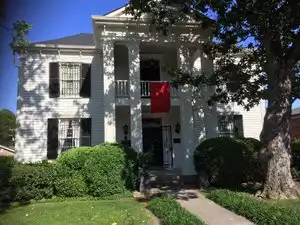
Forget Gone With the Wind -- this is the real history of slavery, emancipation and Reconstruction
It's easy to get to and has sufficient parking. This is one of only a few plantations that tells the horrific truth about slavery. (The guide told us at the start that he was a "mythbuster" with respect to chattel slavery, and he held true to that.) His pace was easy to keep up with and at every stop he invited questions. Our group learned a lot! The visitor center has a small but good selection of books on slavery and Reconstruction and nice souvenirs. Staff were very friendly.