
Maui After the Wildfires
My teenage son and I are planning a trip to Maui in April of this year. We are still grieving for the people of Maui who lost so much in August of '23. As tourists we are wondering if there is anything we can do to support the residents during our visit, and also how to plan the trip that makes the most sense following the disaster. Is there a part of the island or specific attractions that we should steer clear of? Are there specific recommendations of places that are currently thriving despite the hardship? My son has specifically asked me about the Pipiwai Trail and bamboo forest. Thank you for any insight.
First and foremost, thank you for being mindful of the community during your trip to Maui. The wildfires in August 2023 were devastating, and the island is still recovering. As tourists, your visit can absolutely help support the local economy and the people who have been impacted. Below are some suggestions for how to navigate your trip, places to visit, and ways you can contribute to the recovery efforts.
Supporting Maui’s Residents
One of the most important things you can do is to spend money in the local economy. Many businesses have been affected by the loss of tourism, so your presence on the island can help provide the income they need to rebuild. Here are some ways to contribute:
- Stay in locally-owned accommodations rather than big resorts.
- Support small businesses, local restaurants, and independent shops.
- Consider donating to local organizations and charities that are helping with recovery efforts, such as the Maui United Way or the Hawaii Community Foundation.
- Book tours with local guides to ensure that the money stays in the community.
Planning Your Trip After the Wildfires
While much of the island is still operational, there are some areas that were severely impacted, and it’s important to be respectful of those regions while they rebuild. That said, there are still many places that are thriving and open to visitors.
- Lahaina: Lahaina was particularly hard-hit by the fires, and much of the historic town has been devastated. While some areas are still closed or under reconstruction, there are still parts of Lahaina that are open to visitors, but be sure to check in advance to ensure it is safe to visit. Many local businesses have shifted their operations, so be prepared for changes.
- Kapalua & Ka’anapali: These areas are farther from the fire-affected regions and have not been as impacted. Many resorts and restaurants in these areas are still operating as normal and are excellent places to visit.
- Upcountry Maui: The towns of Makawao, Kula, and Pukalani in the Upcountry region are less affected by the fires and offer a peaceful respite with local farms, wineries, and stunning views of the island.
- Road to Hana: The Hana area, while still remote, is largely unaffected by the fires and remains a stunning place to visit. It’s home to lush landscapes, waterfalls, and hiking trails like the Pipiwai Trail. However, some parts of the road might still be challenging due to storm damage, so check road conditions before you go.
Visiting the Pipiwai Trail and Bamboo Forest
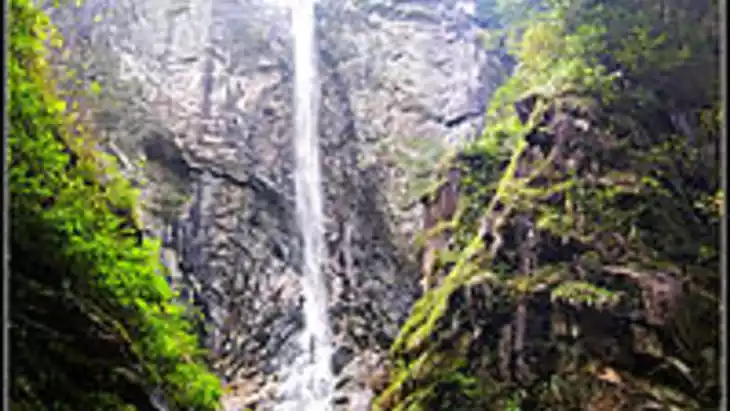
Your son’s interest in the Pipiwai Trail and bamboo forest is well-placed! This area, located in the Kipahulu district of Haleakalā National Park, remains a beautiful and thriving attraction despite the hardships of the fire. The trail takes you through a lush rainforest, past waterfalls, and into a bamboo forest that’s absolutely breathtaking. It’s an iconic Maui experience and definitely worth visiting.
Things to Avoid and Be Mindful Of
- Burnt Areas: While some parts of the island have started to rebuild, it’s important to avoid areas that were severely burned, as they may still be in recovery or under construction. Many of these areas are closed for safety reasons.
- Respect Local Needs: Some of the locals may still be grieving or in need of support. Be patient and respectful when visiting and avoid areas that might still be in need of rebuilding.
- Check for Openings and Closures: Before you visit certain areas or book activities, double-check if attractions are open and running smoothly. Some trails and parks may have limited access or be temporarily closed due to storm damage or restoration efforts.
Final Thoughts
In addition to visiting places like the Pipiwai Trail, Maui has many other beautiful spots that are open and ready for visitors. Spending time in nature, supporting local businesses, and respecting the recovery efforts will help ensure that your trip is both enjoyable and meaningful. Thank you for thinking of Maui’s residents and contributing to their healing process during your visit!
More Maui Travel Questions
- Ritz vs Fairmont for end of August
- Best Waliea hotel for tiki torches, lush grounds?
- Ka'anapali to Makawao drive
- Opakapaka
- Do you bring groceries with you to Maui?
- Honua Kai Beach
- Where to get a massage?
- Amount of time to do it all
- Access to Kapalua Coastal Trail from Napili Bay beach
- Where was Your Most Memorable Burger on Maui?
- EV car rental
- March 2025- first time in Maui and Hawaii
The attractions mentioned in this question

Popular Destinations

Popular Travel Questions
- Babb to Bozeman
- Denver to Yellowstone family trip
- Where to stay visiting DC when using IAD
- High Speed Train from Changbaishan to Harbin
- bus in bar harbor and acadia NP
- Lunch on a Monday: where to go?
- Hotel close to Coconut RV Park
- Miami/Key West itinerary
- Choose between 2 hotels
- Tubing in September
- Parking while traveling on Amtrak
- Half Moon Bay or Carmel?